
Our areas of expertise range from forestry supply chains to regenerative tourism to maximise positive impacts on nature and people.
At an international level, we support forest owners in achieving the best responsible management certifications and facilitate access to finance. FSC group certification for forest managementWe are sorry, but this service is available only in Italy. Read More Customized Nature-Based ProjectsAchieve climate and environmental targets with a customized project for your company Read More Forest and natural capital investmentsDo you want to invest in green and sustainable assets? Read More Innovative funding for forestry projectsWe support forest managers in accessing funding sources for restoration, conservation and improvement projects Read More |
 projects (21)
 publications (29)
 events (11)
 updates (22)
We measure the water footprint of organisations and territories and support public and private clients in developing science-based water stewardship strategies. Nature-based pathways for water utilitiesWant to discover how to innovate water resource management? Read More Water Stewardship Strategies and Water ResilienceDo you want to set water targets for your organisation? Manage water resources in your area? Read More  Double Materiality AnalysisDo you want to understand the impacts, risks, and material dependencies for your company? Read More Environmental impact assessment and managementDoes your company know its environmental impacts? Read More Nature Positive StrategiesHow can your organization contribute to a Nature Positive economy? Read MoreCustomized Nature-Based ProjectsAchieve climate and environmental targets with a customized project for your company Read More Innovative financing and Payments for Ecosystem ServicesDo you want to learn out how to find resources for the conservation of natural areas? Read More |
We assess nature-related impacts and dependencies and support public and private clients in defining measurable strategies and targets for ecosystem protection. Double Materiality AnalysisDo you want to understand the impacts, risks, and material dependencies for your company? Read More Environmental impact assessment and managementDoes your company know its environmental impacts? Read MoreNature Positive StrategiesHow can your organization contribute to a Nature Positive economy? Read MoreCustomized Nature-Based ProjectsAchieve climate and environmental targets with a customized project for your company Read MoreInnovative financing and Payments for Ecosystem ServicesDo you want to learn out how to find resources for the conservation of natural areas? Read More |
We measure greenhouse gas emissions and support businesses and public institutions in developing reduction strategies aligned with international standards.Environmental impact assessment and managementDoes your company know its environmental impacts? Read MoreNature Positive StrategiesHow can your organization contribute to a Nature Positive economy? Read MoreCustomized Nature-Based ProjectsAchieve climate and environmental targets with a customized project for your company Read MoreInnovative financing and Payments for Ecosystem ServicesDo you want to learn out how to find resources for the conservation of natural areas? Read More Net Zero Climate StrategiesWant to learn how to reduce your emissions and tackle the climate crisis? Read More |
We accompany organisations on their journey to capture and remove CO2 while generating positive impacts on water and biodiversity.Double Materiality AnalysisDo you want to understand the impacts, risks, and material dependencies for your company? Read More Supply chain transparency and traceabilityWant to improve the traceability and geolocation of your supply chain? Read MoreEnvironmental impact assessment and managementDoes your company know its environmental impacts? Read MoreNature Positive StrategiesHow can your organization contribute to a Nature Positive economy? Read MoreNet Zero Climate StrategiesWant to learn how to reduce your emissions and tackle the climate crisis? Read More |
We help natural resource managers by providing institutional, technical and economic support while involving stakeholders and seeking the most suitable funding sources. Governance of protected areas and stakeholder engagementDo you want to find out how to improve the management of your natural resources? Read More Nature-based solutions for landscape challengesDo you want to discover how to fight the climate crisis through nature? Read More Economic valuation of ecosystem servicesDo you want to find out how to value your natural area? Read More Fundraising for nature conservation and EU project designDo you want to learn more on funding instruments for natural areas? Read MoreInnovative financing and Payments for Ecosystem ServicesDo you want to learn out how to find resources for the conservation of natural areas? Read More |
We analyse the supply chains of wood and non-wood forest products to provide technical and legal advice for the public and private sectors. Deforestation-free supply chains & EUDR due diligenceWant to make your supply chain EUDR-compliant and deforestation-free? Read More EUDR Training: Build capacity to meet the new EU RegulationGet ready for the EUDR with solid skills and practical tools Read More Verified Positive Impact Forest Supply ChainsDo you have the data to back your forest sourcing claims — or are you exposed to greenwashing risks? Read More Timber market and timber supply chains analysisLooking for an expert consultant on wood and supply chains? Read More Wild forests products supply chains analysisLooking for an expert consultant on non-timber forest products? Read More |
We provide strategic advice for achieving the highest sustainability standards and promoting regenerative and slow tourism for all actors in the tourism system.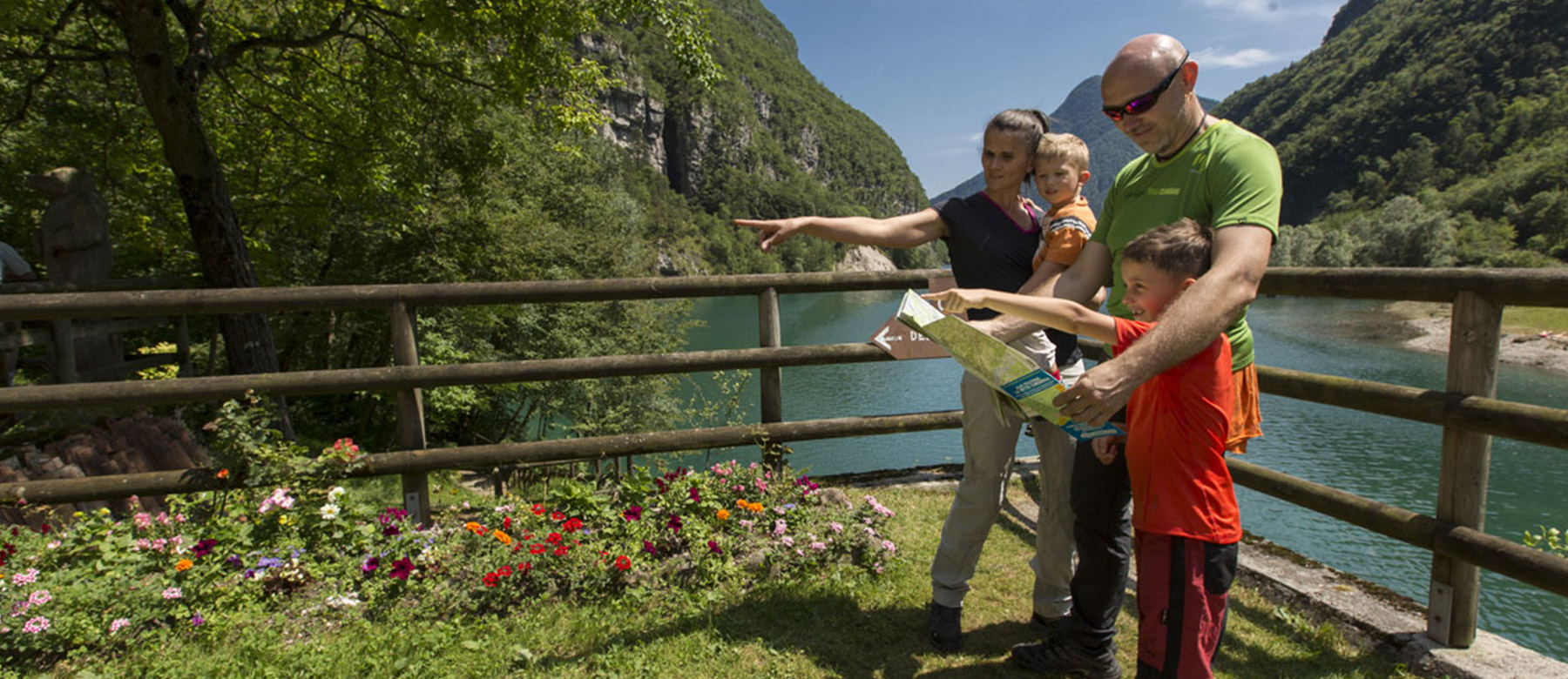 Tourism destination management and organisationDo you want to learn how to improve the management of your tourist destination? Read More GSTC sustainable tourism certificationDo you want to find out how to achieve the GSTC certification? Read More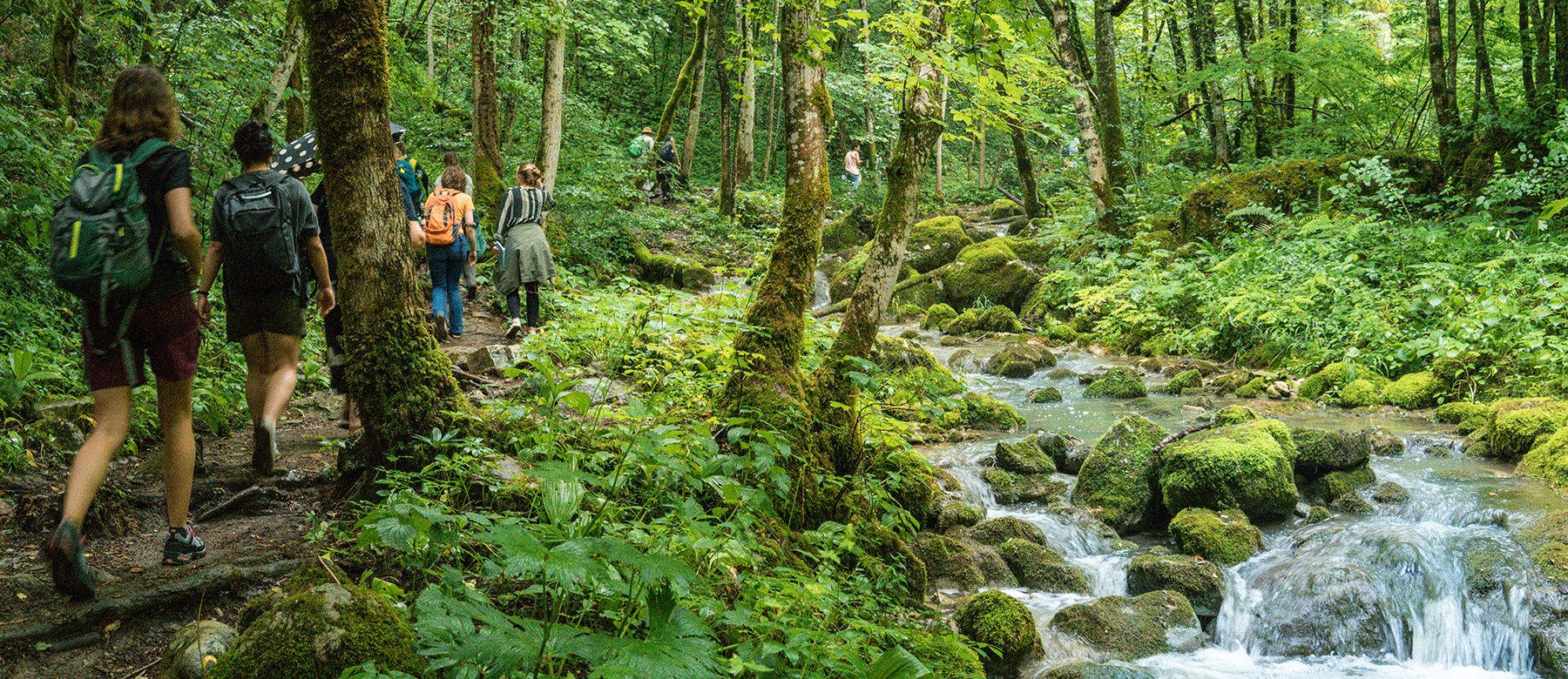 Regenerative and sustainable tourism experiencesDo you want to find out how to promote territorial tourism? Read More Slow tourism consultancy: bike and hike routesDo you want to learn how to design slow tourism services? Read More |
We offer the opportunity for companies and citizens to contribute to the fight against climate change by planting trees and protecting existing forests. Treeplanting and gift a tree with WOWnatureDo you want to find out how you can contribute in the fight against the climate crisis? Read More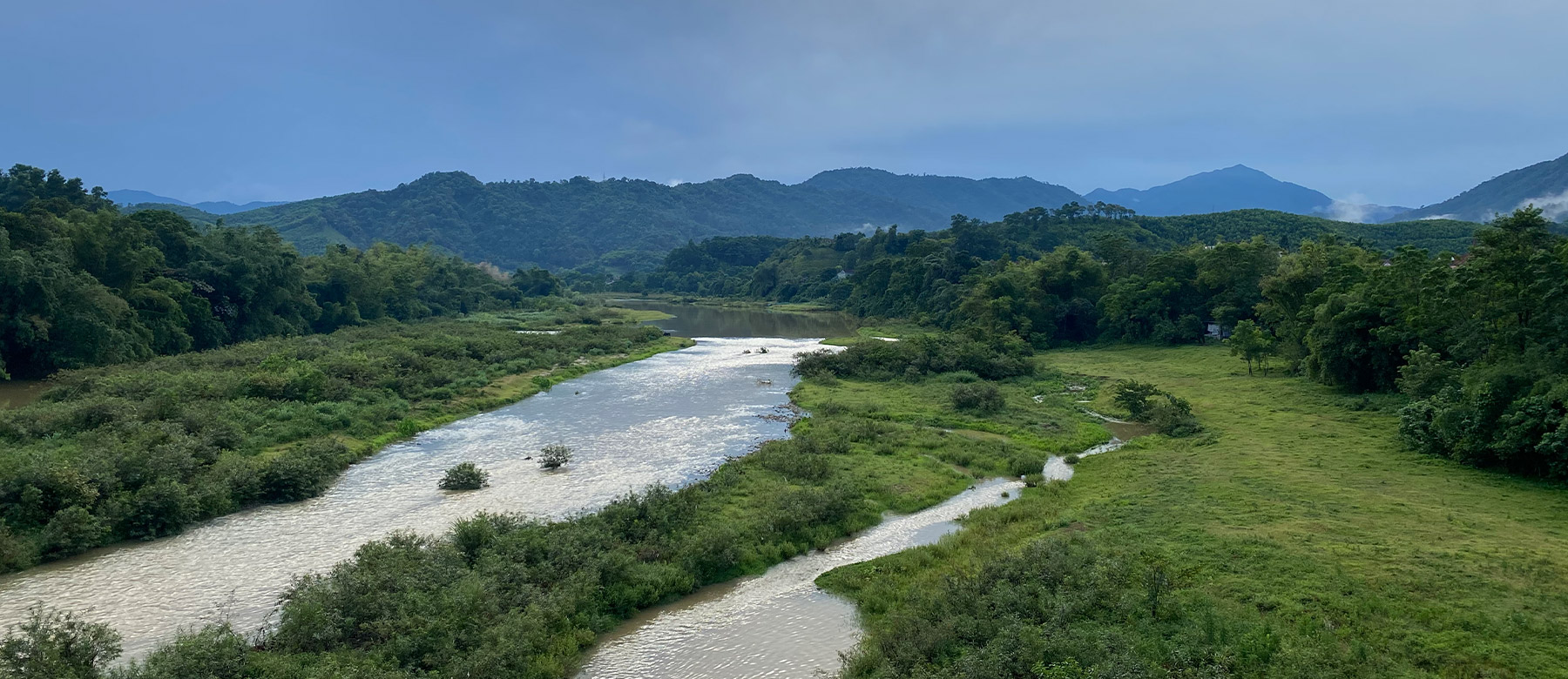 Reforestation and forest protectionDo you want to find out how you can contribute to forest protection? Read More |