


ALPI group is a leading Italian company in the production of decorative wood surfaces, with over 50 years of experience and an integrated model covering the entire supply chain: from the management of forest concessions in Cameroon to processing in Italy, through to export. With the entry into force of the EUDR — the new European regulation imposing stricter standards on traceability and deforestation — ALPI chose to further strengthen its own processes, partnering with Etifor and the EMMA method to build a due diligence system that is robust, scalable, and fully compliant with the regulation. We spoke about this with Vittorio Alpi, President of the Group.
What was the need or challenge that led you to work with Etifor?
ALPI SpA is an established company, with over 50 years of experience in the forestry sector, managing FSC-certified forests and operating in compliance with the EUTR regulation. With the introduction of the EUDR, and given the limited initial clarity of the regulation, we chose to rely on a specialised consulting firm with the goal of analysing our operations and supporting us in a structured way along the compliance journey. For this reason, Etifor seemed like the most suitable choice, thanks to its hands-on experience in supply chain management, geolocation, and materials traceability.

What changed, in concrete terms, after this process?
We gained the awareness that the new regulation is not merely a regulatory requirement or obligation, but also an opportunity to demonstrate how much our organisation can support our value chain across all the aspects covered by the EUDR. This shift in mindset does not happen overnight and requires gradual integration into the practices and procedures that govern day-to-day business activities.
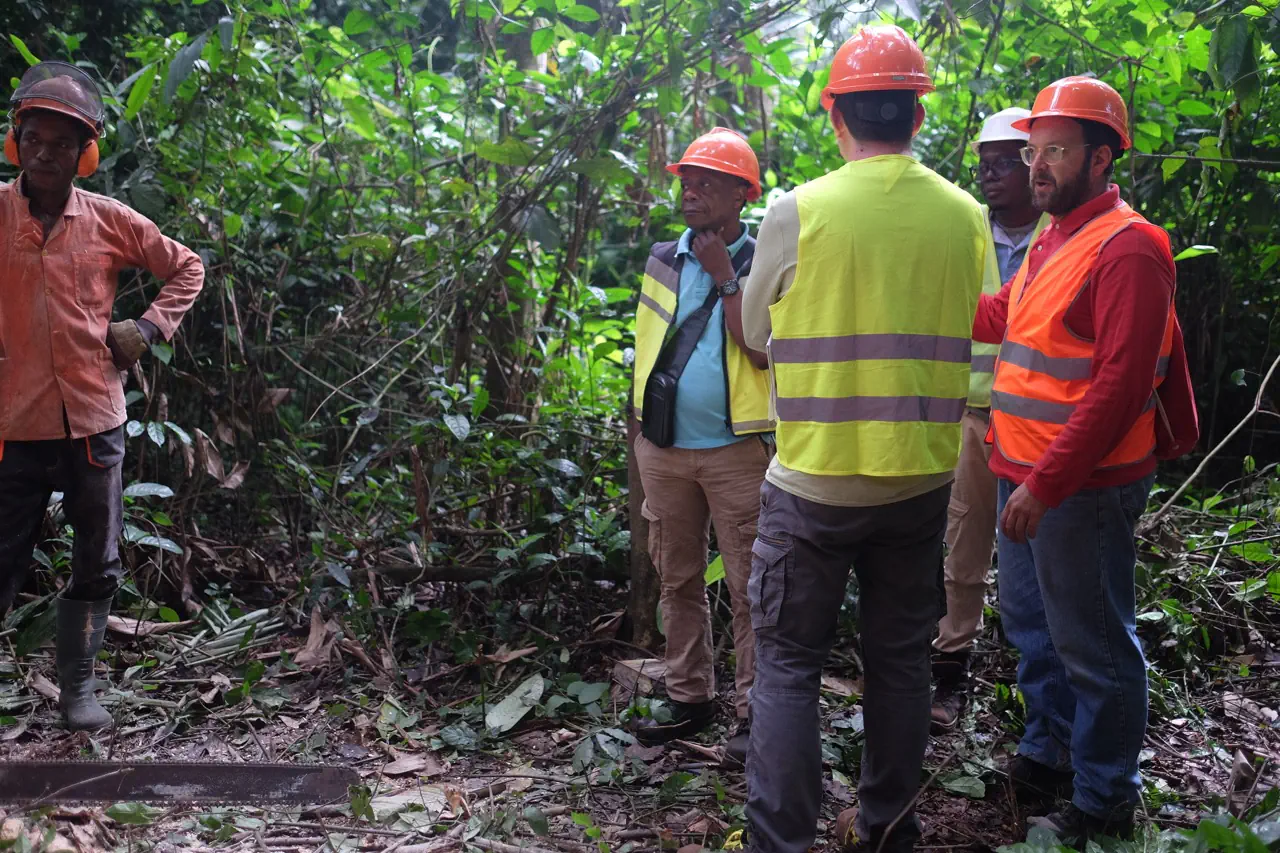
In the path towards EUDR compliance, which aspects were most complex to address along the supply chain (e.g. data and traceability, due diligence processes, governance), and what benefits — including measurable ones — has this work delivered?
The most complex aspect was the integration of data, systems, and processes across the entire supply chain. In particular, the collection and normalisation of information from different sources required significant effort, with knock-on effects on due diligence processes and governance. Among the benefits, the most concrete and measurable has been the reduction in response times to customer requests, thanks to greater availability and structuring of data.

What is the risk today for a company in your sector that chooses not to invest in responsible supply chain management?
With the entry into force of the EUDR, responsible supply chain management is no longer a strategic choice, but an essential requirement for operating in the market. For a company in the sector, non-compliance does not simply mean exposure to the penalties set out in the regulation – above all, it means losing the very ability to commercialise and supply material. In a context where traceability and transparency have become conditions for market access, failing to demonstrate compliance leads to exclusion from supply chains, severing relationships with customers and partners and foreclosing new commercial opportunities.