
Urban green, local food: regenerating Ouagadougou’s ecosystems for a more resilient Burkina Faso
We support ACRA in enhancing urban forest resources and promoting a local, healthy and inclusive food system in the capital of Burkina Faso
CLIENT

- AICS – Agenzia Italiana per la Cooperazione allo Sviluppo / ACRA
PARTNER
- Mani Tese
- Gnucoop
- ITAL Watinoma
- Association Watinoma
- Ke du Burkinabé
- Mairie di Ouagadougou
Context
Ouagadougou, the capital of Burkina Faso, is a rapidly growing city with over 2.5 million inhabitants. Growing pressure on natural resources, compounded by the effects of climate change, makes it increasingly difficult to guarantee the population equitable access to healthy, local and nutritious food. In this scenario, the city’s Green Belt – a system of peri-urban green spaces that includes the Bangr Weogo natural park – represents a concrete opportunity to combine urban food production with the regeneration of forest ecosystems.
Bangr Weogo park is home to a natural forest rich in local species with high food potential, through what are known as Non-Timber Forest Products: edible fruits, seeds and leaves produced by native trees and shrubs. This heritage remains largely undervalued and poorly integrated into sustainable urban development strategies, despite the fundamental role it could play in strengthening food security in the surrounding neighbourhoods.
The project
The “Nutrire la città” (Feeding the City) project, funded by AICS and coordinated by ACRA together with a broad partnership including Mani Tese, Gnucoop, ITAL, Association Watinoma, Ke du Burkinabé and the Mairie de Ouagadougou, aims to strengthen the sustainability and inclusiveness of the agri-food system in districts 3, 4, 5 and 11 of the Burkinabé capital, in line with Sustainable Development Goal 2 “Zero Hunger”.
The initiative supports sustainable urban agriculture and promotes the consumption of healthy, local and nutritious food, contributing to reducing barriers to food access and improving food security in the Centre region of Burkina Faso. At the heart of the strategy lies the nexus between nutrition, health and responsible management of urban natural resources.
Our contribution
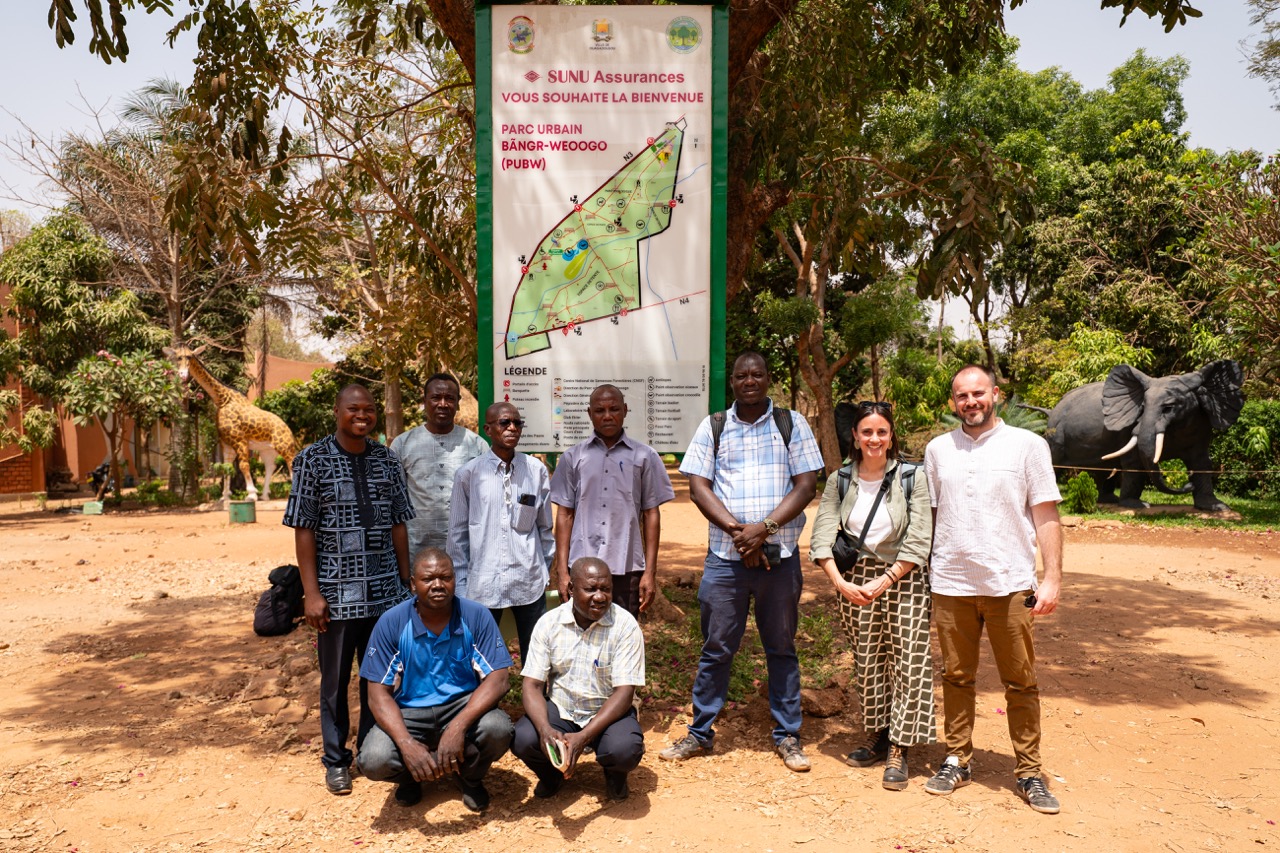
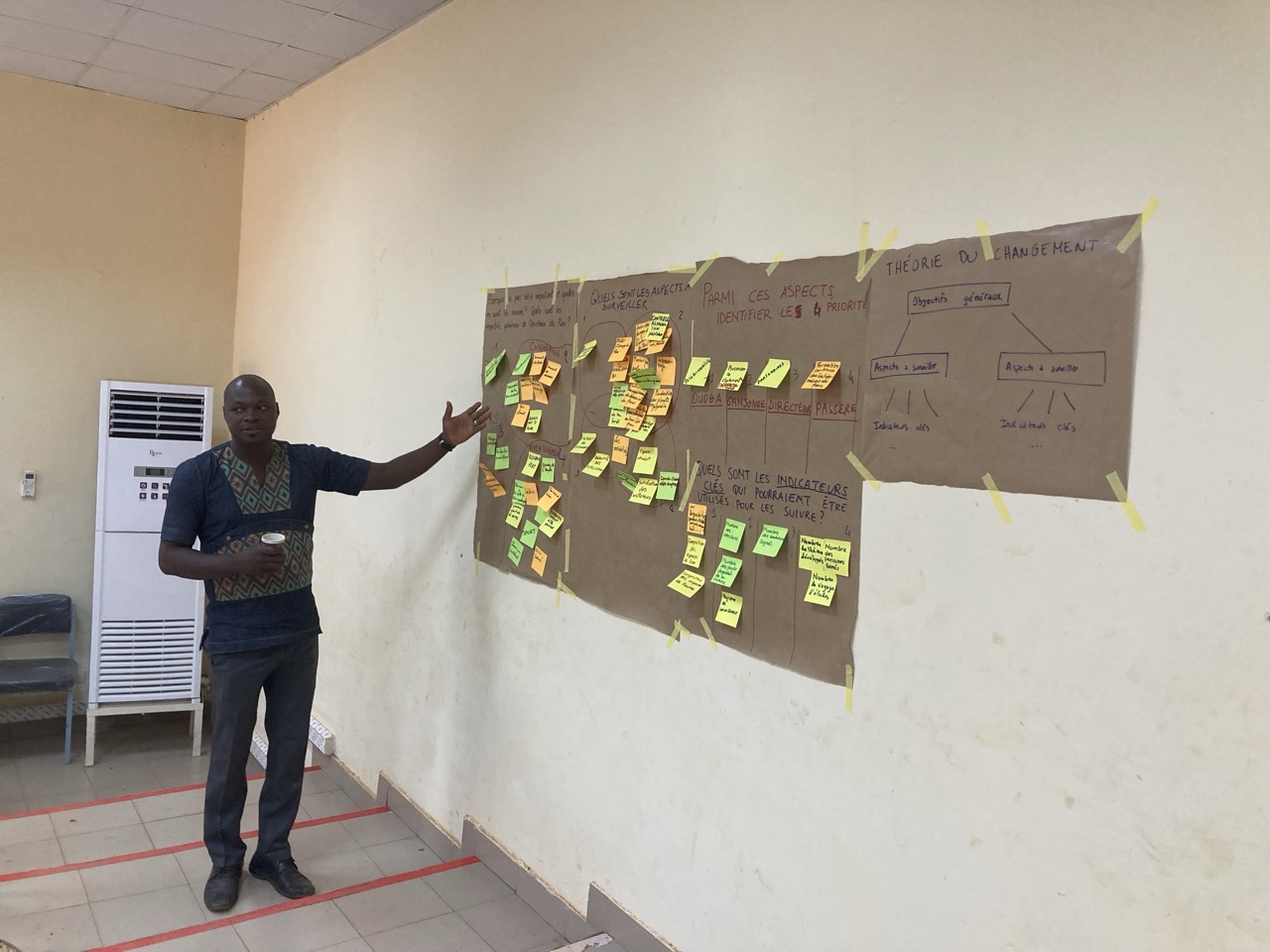
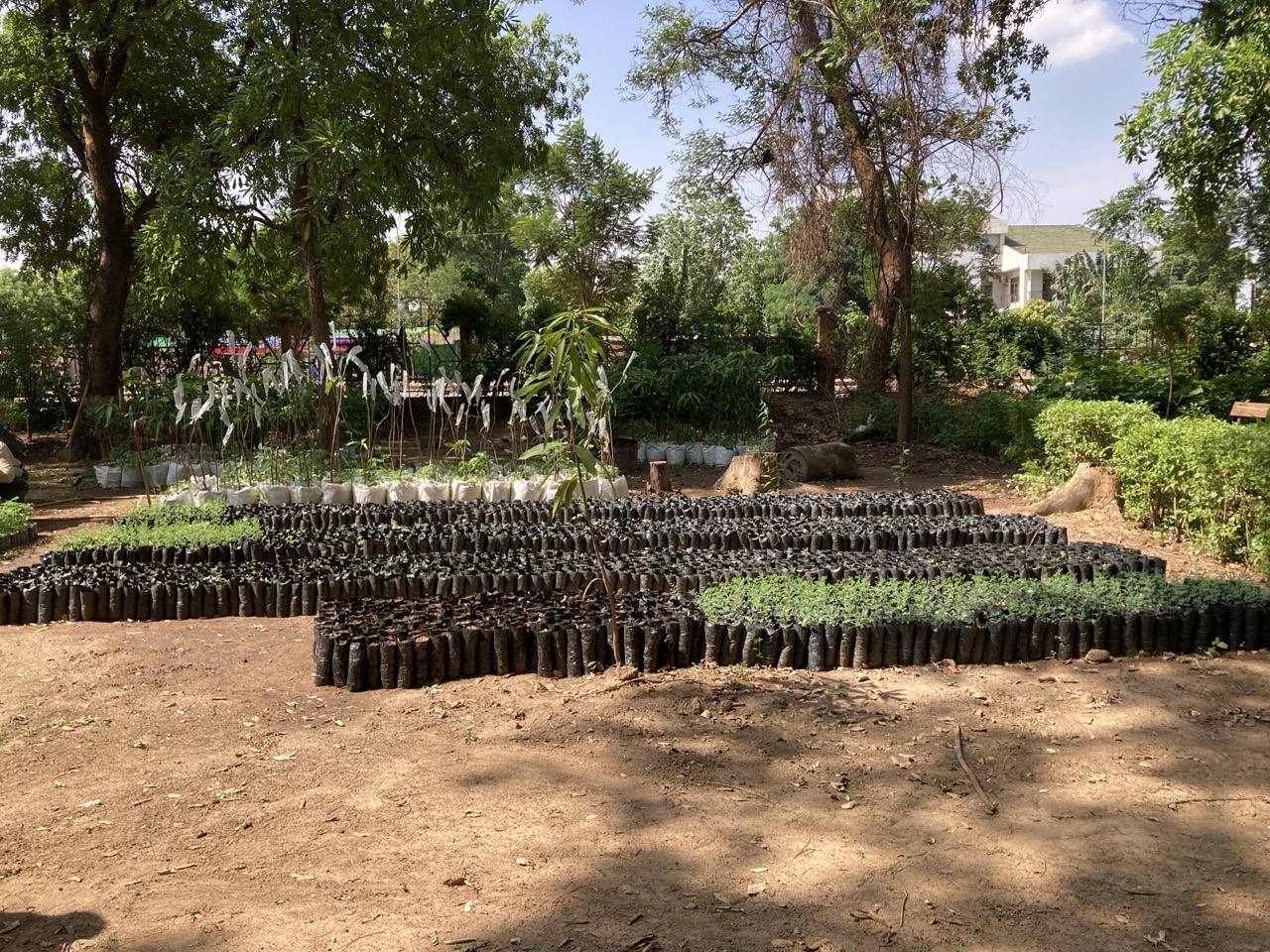
Etifor worked alongside the staff of Bangr Weogo park, ACRA and Mani Tese to identify the needs and most suitable areas for the planned interventions within the park. Activities carried out include direct reforestation with local food-producing species and the cleaning and restoration of degraded areas.
The core of Etifor’s contribution was the enhancement and requalification of Non-Timber Forest Products (NTFPs) for food use found in the park’s natural forest: edible fruits, seeds and leaves produced by local trees and shrubs – a heritage that is often invisible yet of great value to urban communities. To this end, an inventory and mapping of species with food production potential was carried out, accompanied by the design of informational panels along an environmental education trail within the park.
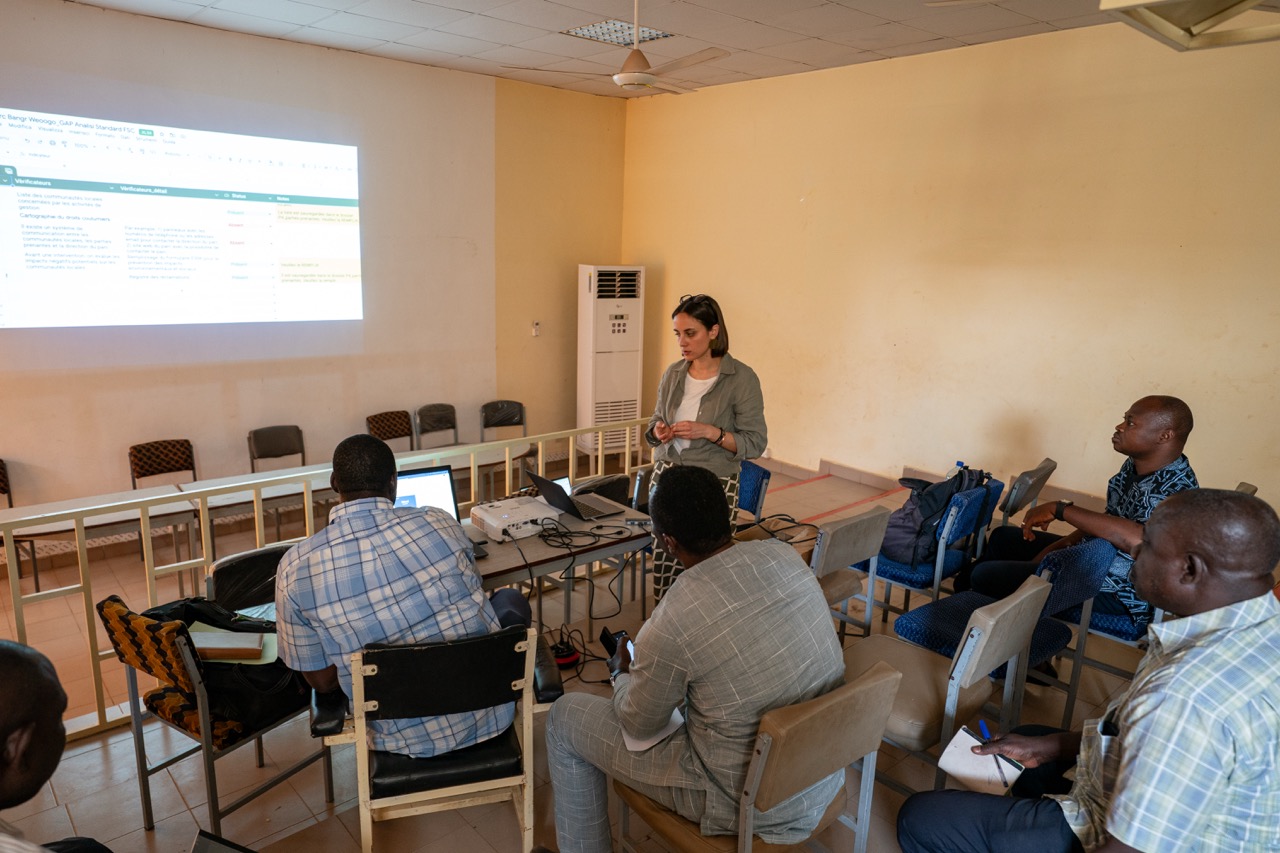
Finally, Etifor conducted a gap analysis based on the 10 international Principles of responsible forest management, identifying the park’s strengths and areas for improvement. This work provides a solid foundation for developing an improved management model and positions Bangr Weogo ahead of the curve in view of a future national reference standard for responsible forest management.