
Rebirth of an Oasis: Restoration of the Oasi Gabbianello Wetland for Biodiversity and Water Resilience
We support Sanpellegrino in the restoration and monitoring of a degraded wetland, restoring its ecological value and hydrological function.

CLIENT

- Sanpellegrino
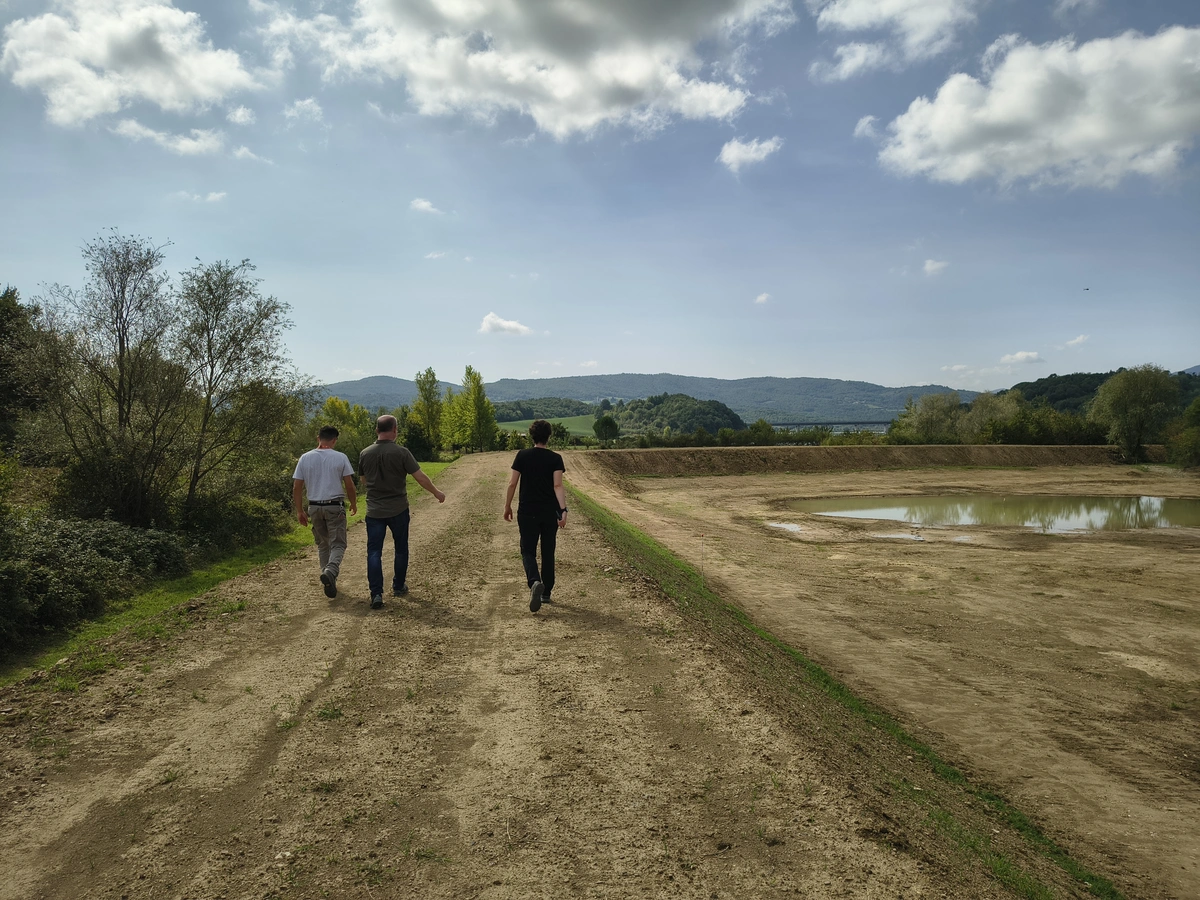
photo by Matteo Campostrini
Context
Wetlands rank among the most biodiverse and hydrologically valuable ecosystems on the planet. Yet they can deteriorate rapidly: progressive silting from sediment accumulation, bank erosion, the loss of continuous water inflow, and the spread of invasive species can trigger a cycle of degradation that strips habitats, biodiversity, and landscape of their richness.
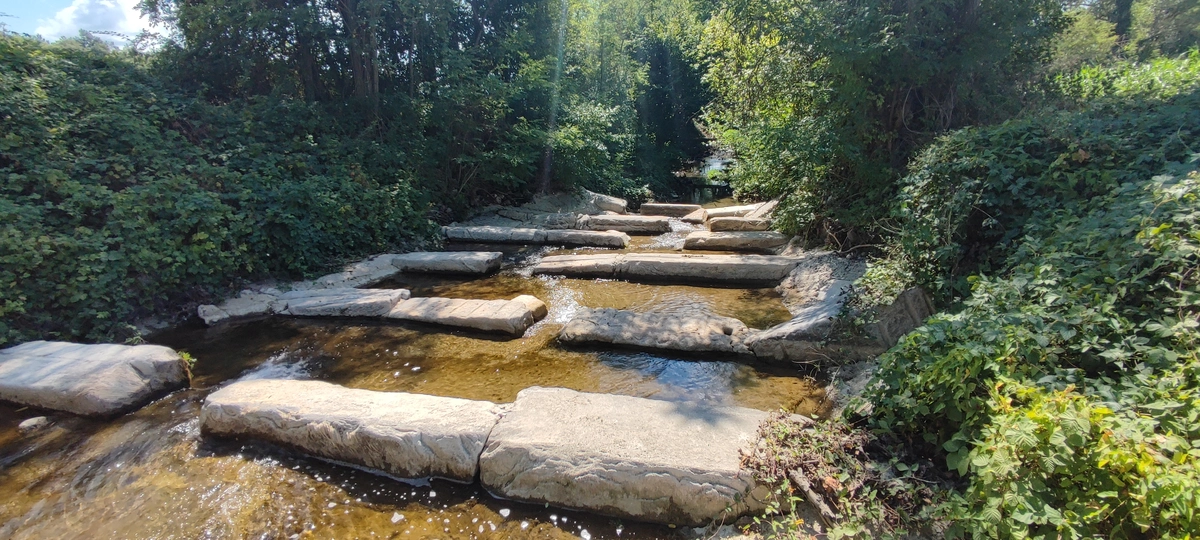
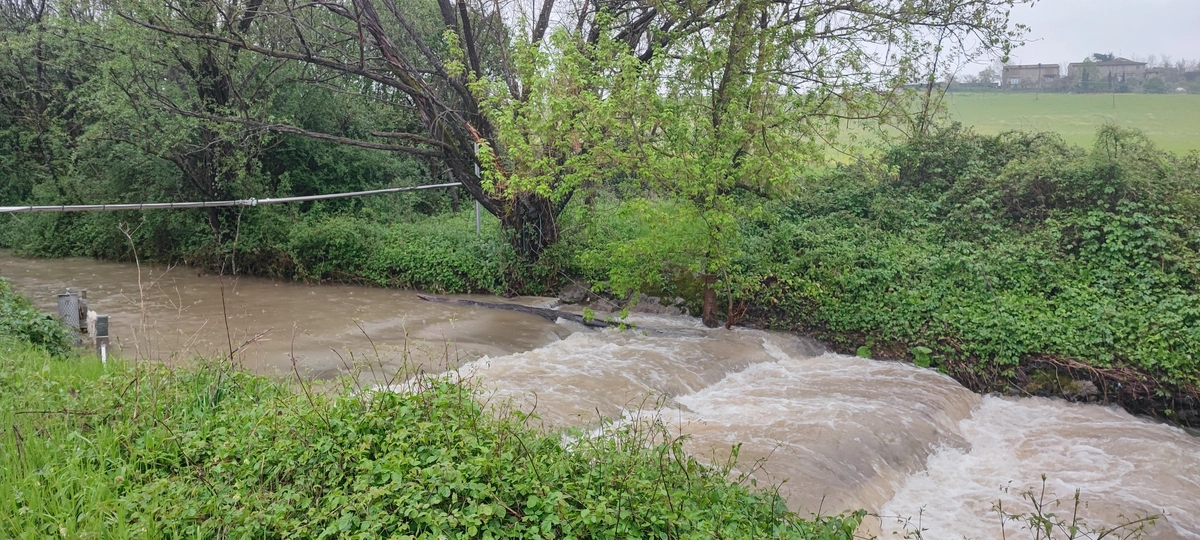
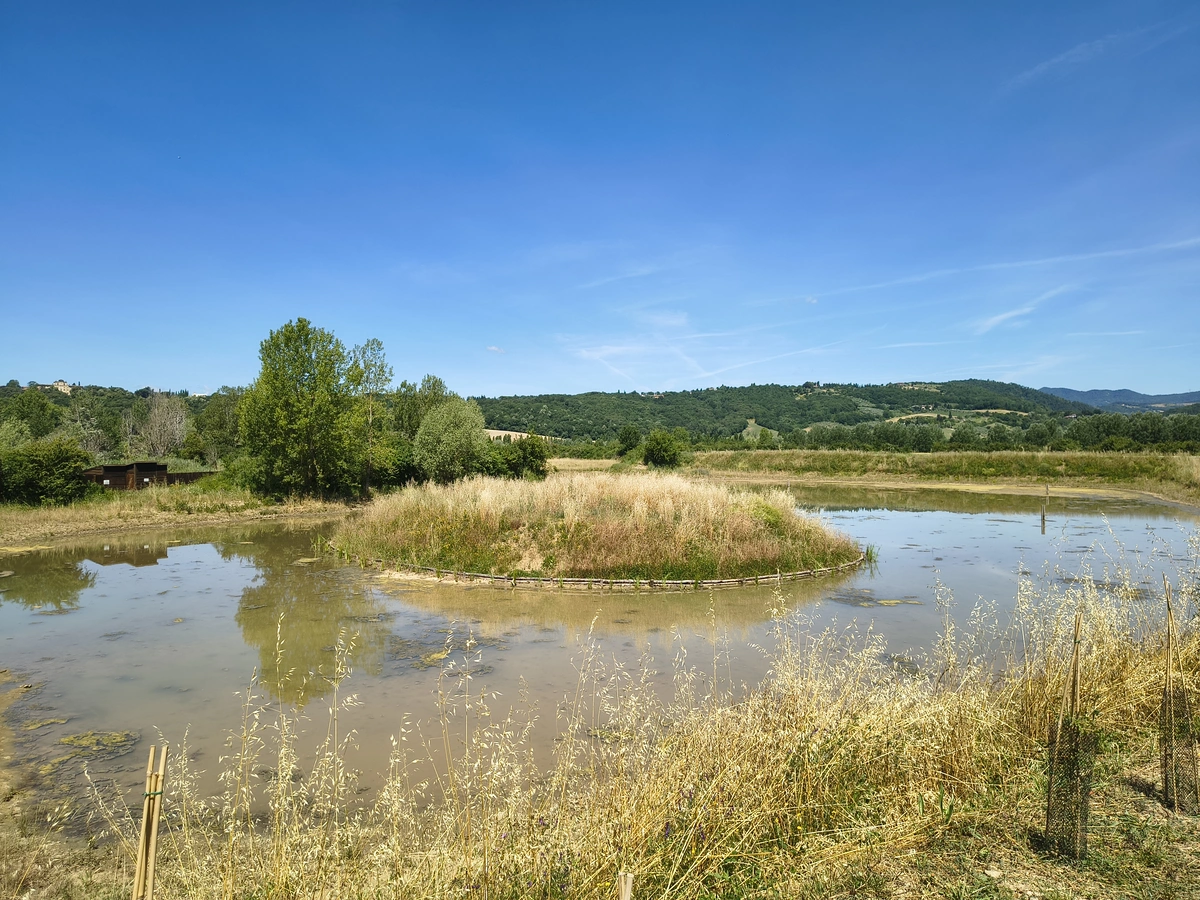
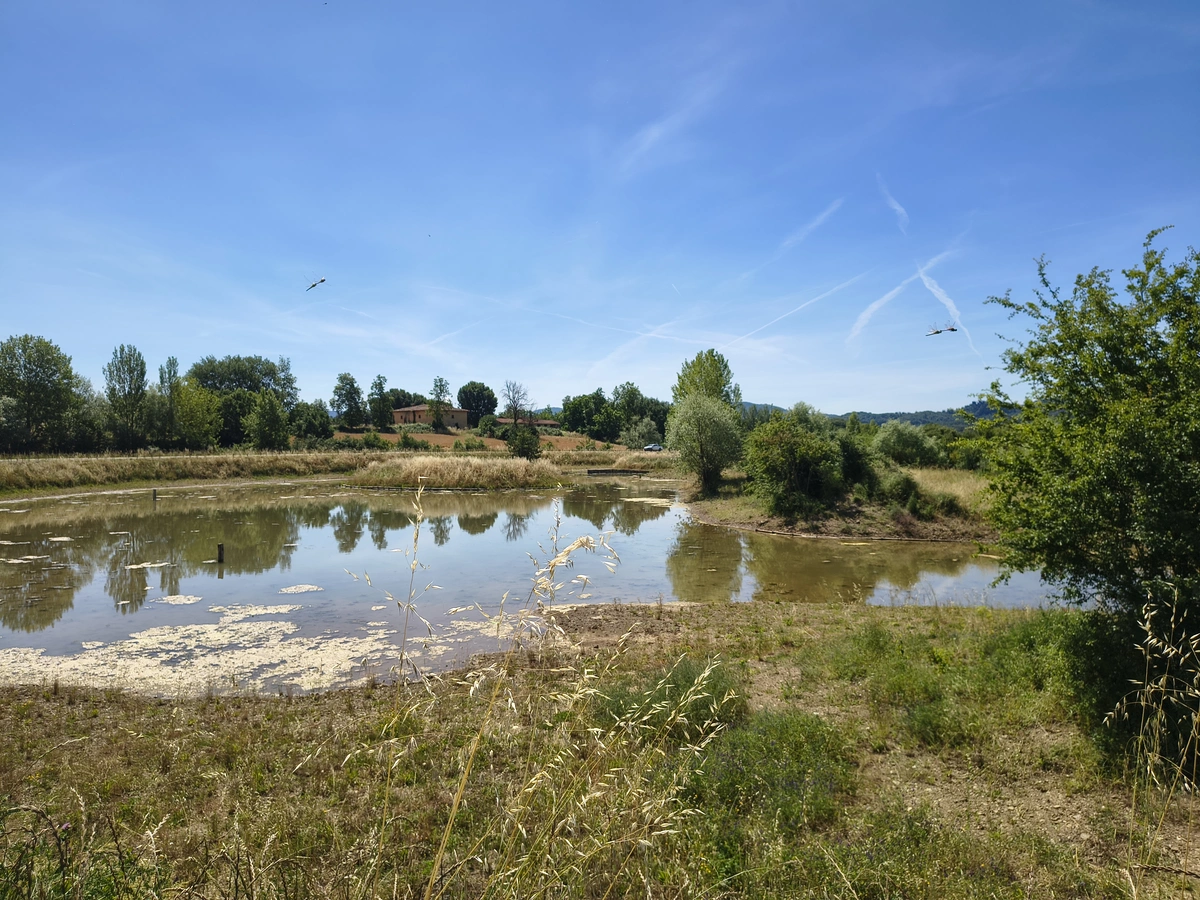
This was the situation at Oasi Gabbianello, a municipally owned wetland located in Barberino di Mugello, in the province of Florence. The intake structure on the Tavaiano stream, which feeds the oasis, was not optimised, causing irregular and intermittent water flow. The flooded area was progressively silting up due to sediment deposition, wild boars were causing widespread bank erosion, recreational infrastructure had fallen into disrepair, and wildlife habitat was shrinking at an alarming rate.
The project
Sanpellegrino, in partnership with Etifor and the Municipality of Barberino di Mugello, has launched an ambitious programme for the comprehensive restoration of Oasi Gabbianello, with the aim of reinstating its ecological and hydrological functions and returning it to the community as a vital and accessible natural space.
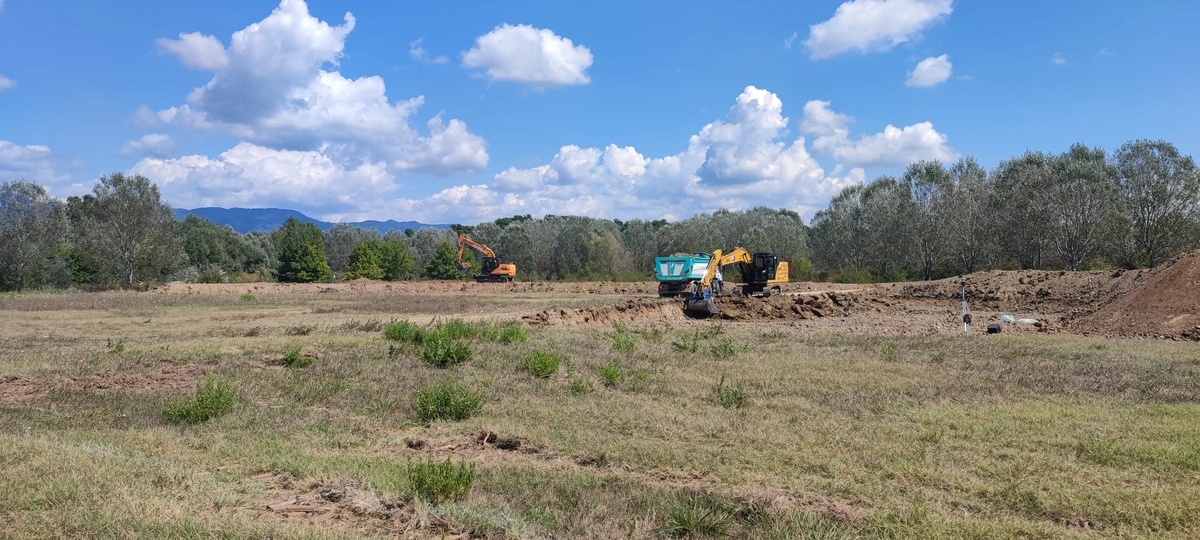
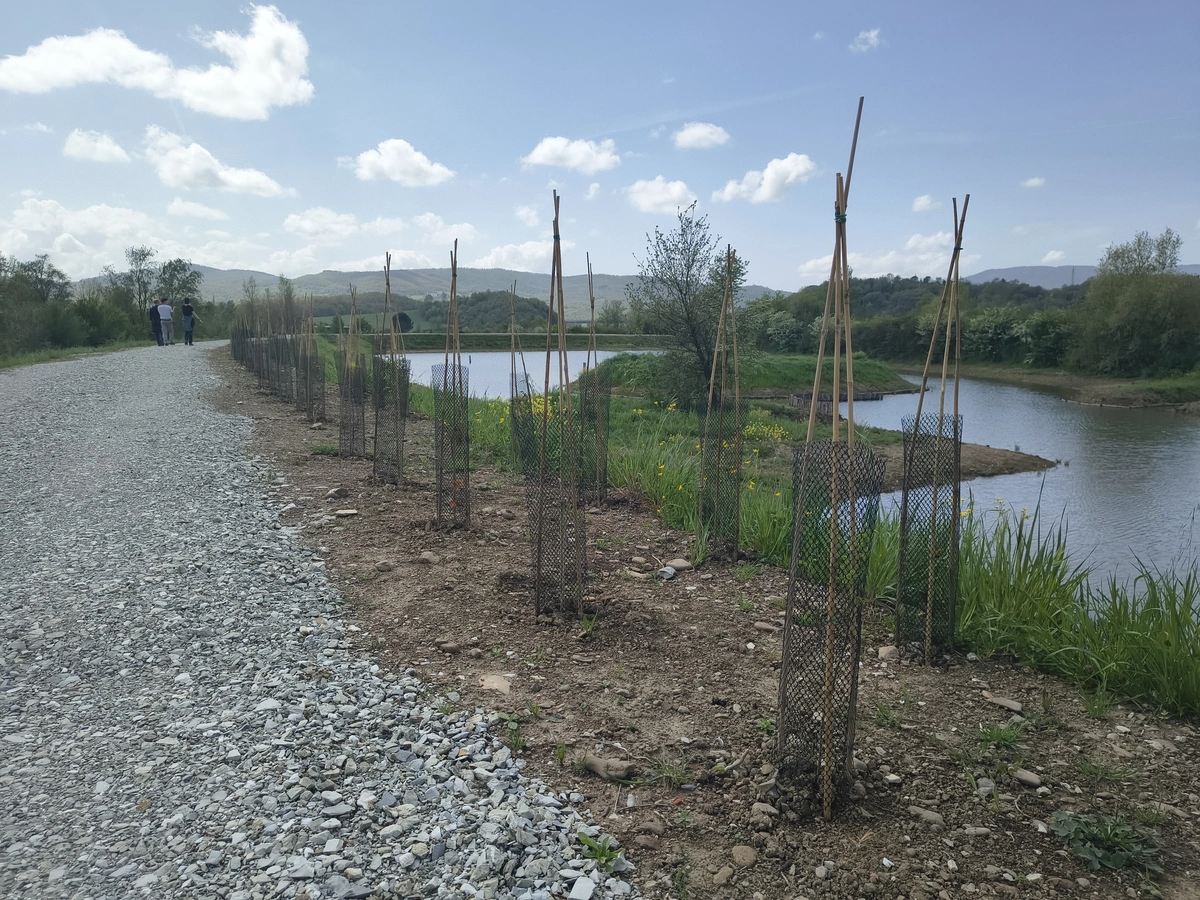
Planned interventions include the upgrading and automation of the Tavaiano stream intake structure, the removal of accumulated sediments, the expansion of the wetland area, and the creation of a controlled flood zone to retain excess water during heavy rainfall events.
These are complemented by the restoration of footpaths and birdwatching hides, the planting of native tree and shrub species, and the establishment of hygrophilous vegetation. The overall result will be an oasis with greater water retention capacity, greater long-term stability, and reduced seasonal fluctuations – conditions essential for supporting diverse wildlife.

Our contribution
Etifor has supported the project throughout every phase, from pre-feasibility through design and implementation to monitoring.
In the initial phase, we conducted the pre-feasibility analysis and contributed to the conceptualisation and development of the project, defining ecological objectives and the most appropriate intervention strategies for the site. During the technical design phase, we coordinated the work of specialist designers, ensuring coherence between engineering decisions and ecological restoration goals.
During implementation, we served as scientific advisors, ensuring that works were carried out in line with the project’s nature-based objectives. From 2026 through 2030, Etifor will lead biodiversity monitoring with particular focus on avifauna and herpetofauna – including threatened amphibian species – to measure and document the project’s long-term positive impacts on the wildlife of the oasis.