Portfolio

Conserving Wetlands: Innovation and Collaboration for the Biodiversity of the Brenta River

  • 2024 2025

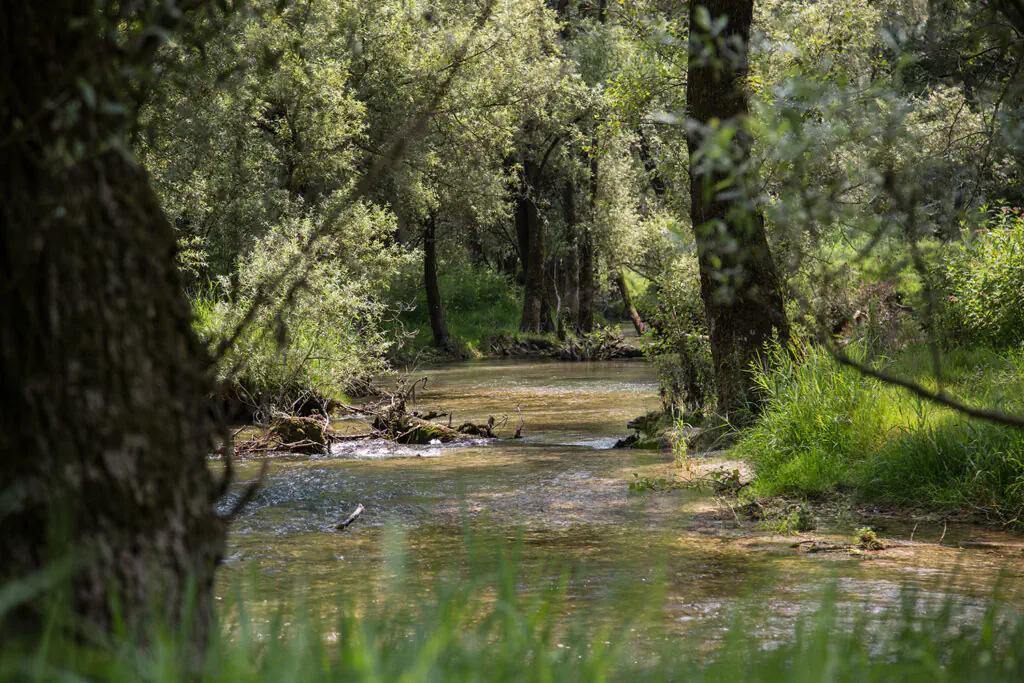
The Brenta River and its wetlands represent one of the most important ecosystems for biodiversity in the Veneto region. The Natura 2000 site “Grave e Zone Umide della Brenta” hosts a variety of species of fauna and flora of community interest, but anthropogenic pressures and climate change threaten their survival. The MAP-Brenta project is promoted under the NBFC research program, funded by the National Recovery and Resilience Plan (PNRR), with the goal of strengthening the management and conservation of this important ecosystem. Through thorough scientific analysis and active participation from the local community, MAP-Brenta aims to fill existing knowledge gaps and define targeted conservation and restoration interventions.

Read More

Supporting the MAP-Brenta project in the conservation and management of wetlands along the Brenta River
A project to restore water and life to the Brenta aquifer

  • 2023 in corso

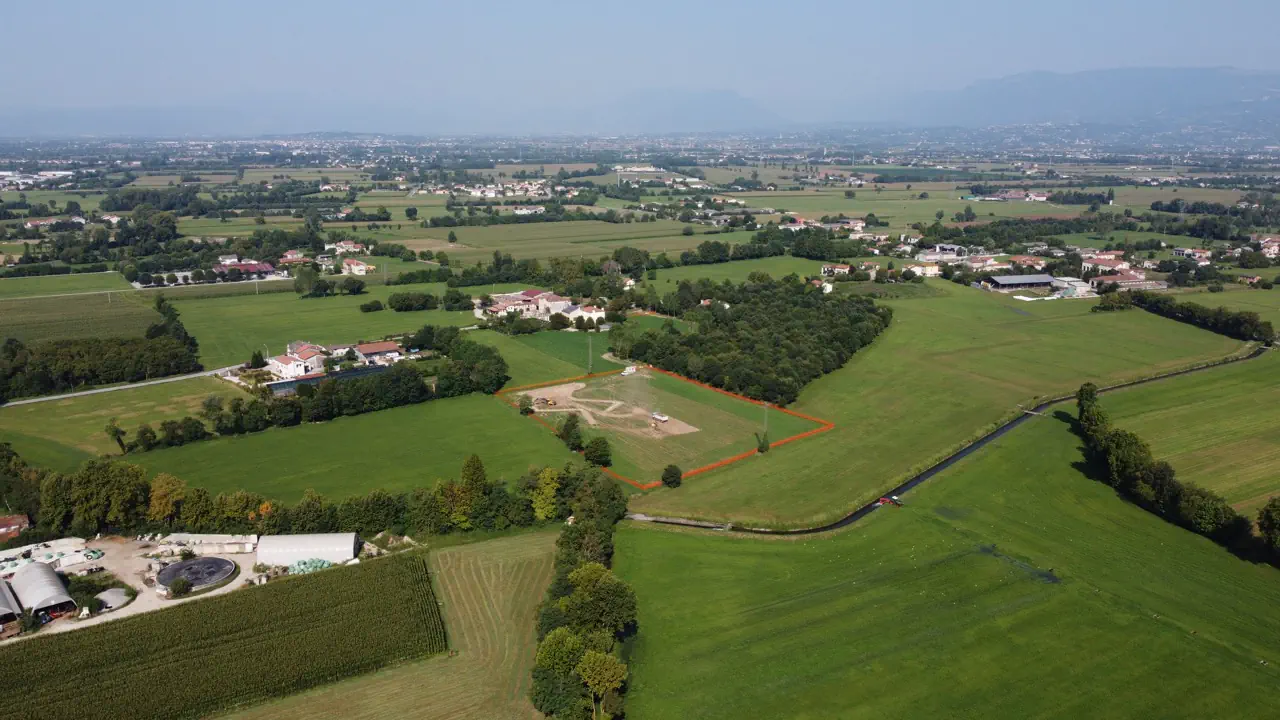
In recent years, the Brenta aquifer has experienced a progressive lowering of the water table. This phenomenon is due to the effects of climate change, the intensity of water withdrawals, and the reduction of permeable surfaces. Water scarcity creates difficulties in meeting agricultural needs during the summer months and threatens a key resource for the water supply of many municipalities in Veneto. To address these challenges, it has become a priority to develop solutions capable of regenerating hydrological cycles and preserving the region’s natural capital.

Read More

Two artificial basins and over 7,900 plants to secure water for agriculture, foster biodiversity, and create new green spaces for the community.

Garda Trentino and GSTC: a shared plan to understand and reduce the impact of tourism

  • 2024 ongoing

The global community is currently facing unprecedented environmental and social challenges: six out of nine planetary boundaries have already been exceeded, and the targets of the 2030 Agenda are increasingly out of reach. These scenarios call for a shift in direction and represent concrete risks for the tourism economy as well.

Tourism is deeply rooted in the territory it inhabits. In Garda Trentino, for example, the visitor experience is closely linked to the lake landscape, biodiversity, historical heritage, and local identity. This system relies on natural, human, social, and economic capital: pressure on any one of these components directly affects the quality of the tourism offer.

Read More

We support Garda Trentino in defining and implementing a sustainable strategic plan aligned with the international GSTC standard.

Driving Nature Positive transformation in the forestry and wood sector

  • 2025

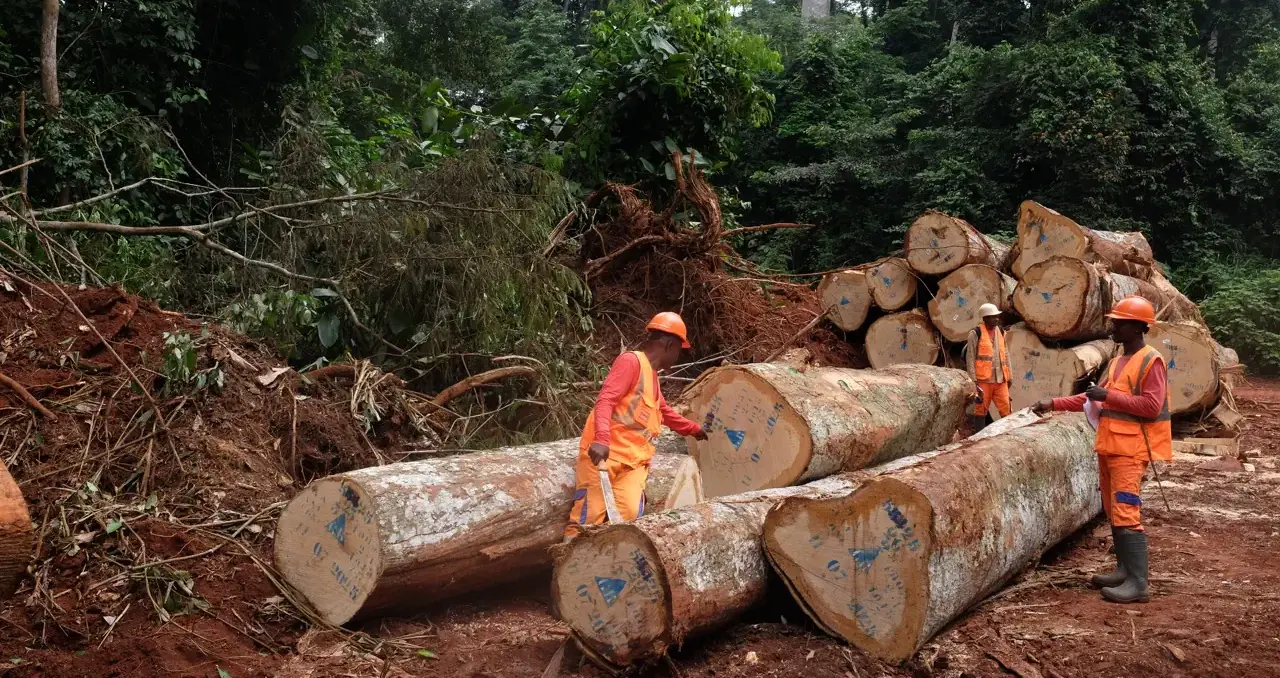
Arauco is a global company that develops sustainable wood-based solutions across forestry, pulp, panels, and bioenergy sectors. With operations in Latin America, Europe, and North America, and commercial presence worldwide, the company plays a key role in the bioeconomy and responsible land management.
Over the years, Arauco has launched several important environmental initiatives, including commitments to carbon neutrality, Net Zero climate targets, and responsible landscape management.

Read More

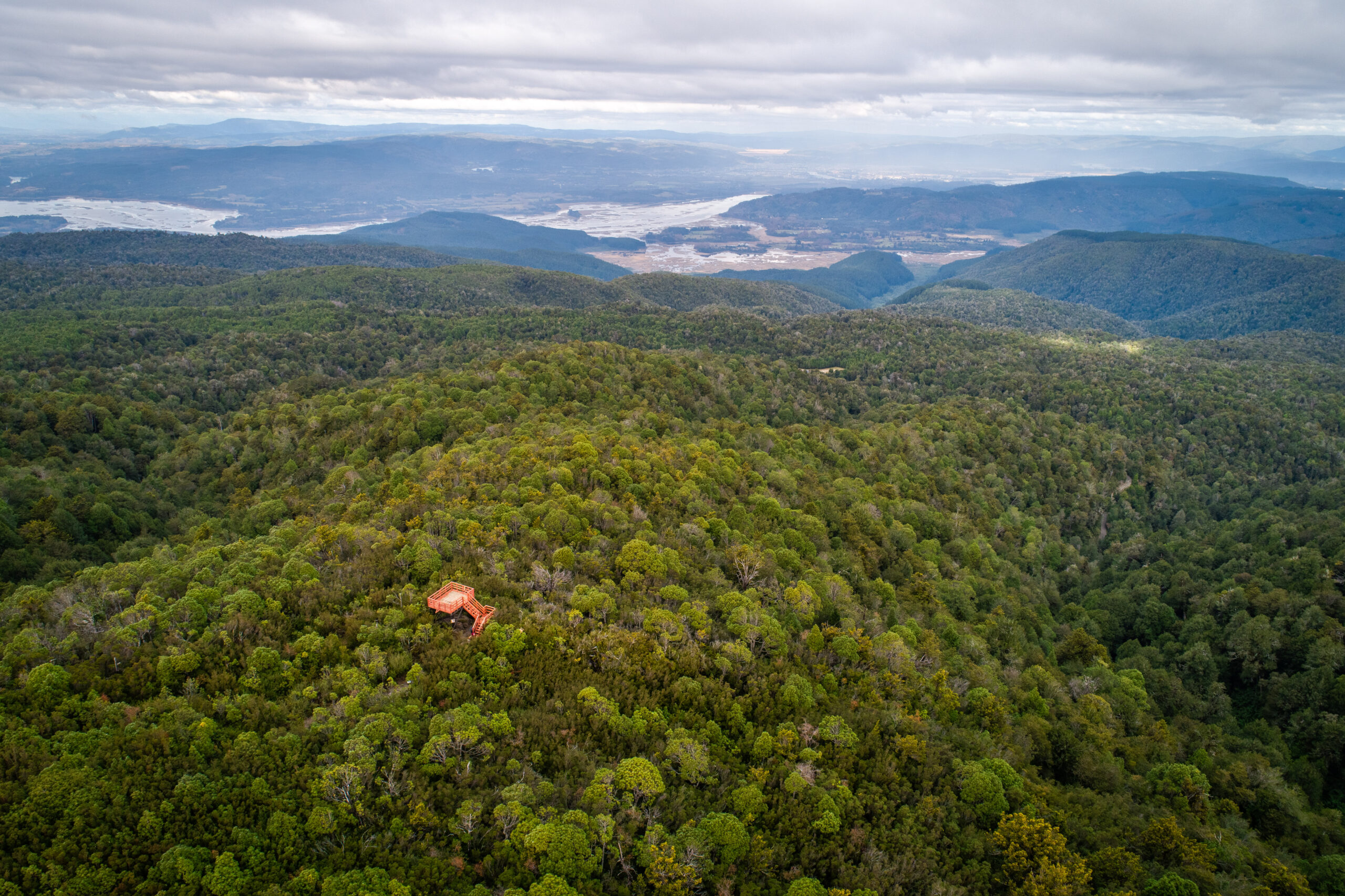
Etifor helps Arauco integrate environmental commitments into a cohesive strategy aligned with the latest global standards on nature.

Innovating agriculture with participatory and replicable solutions

  • 2025 2028
  • Innovating agriculture with participatory and replicable solutions
  • EU
  • PRIMA Foundation
  • Lead partner: University of Castilla La Mancha,

    Other partners:, Etifor, AgriSat Iberia, Consiglio Nazionale delle Ricerche, Università degli Studi di Padova, Consiglio per la Ricerca in Agricoltura e l’analisi dell’economia agraria (CREA), Soil and Water Resources Institute (SWRI), Technical University of Crete, Dreven, Global Water Partnership – Mediterranean office, International Agricultural Research and Training Center (UTAEM), Ea-Tek, Université Cadi Ayyad, National Agricultural Research Center (NARC)

Despite growing awareness of complex challenges such as climate change and the alarming depletion of water resources, agricultural systems are still often managed by addressing water, energy, and food production issues in isolation—overlooking the deep interconnections between these elements.
As agricultural water demand increases, there is an urgent need to move beyond this siloed approach and foster innovation by integrating technological solutions and Nature-based Solutions (NbS).

Read More

With NexusLabs, we test technological and nature-based solutions to improve the management of water, energy, food and ecosystems in agricultural areas.

Agroecology and communities to regenerate the lowlands

  • 2025 2026

In the Bergamo and Crema lowlands—an area still deeply rooted in rural and agricultural traditions—challenges emerge due to administrative fragmentation and lack of territorial coordination. Small municipalities often struggle to plan and implement effective ecological interventions. While sustainable and organic farming practices do exist, they are isolated, unstructured, and disconnected from local supply chains. There is no stable network among local actors to guide the ecological transition, and local communities are not sufficiently involved in biodiversity conservation. Moreover, employment opportunities for vulnerable groups in rural contexts remain limited. A coordinated body is needed to enhance existing initiatives and promote shared, long-term governance.

Read More

We support the development of a Payment for Ecosystem Services (PES) scheme to promote sustainable agriculture, biodiversity, and social inclusion in the Bergamo and Crema plains.  

Go to Top