

A project to restore water and life to the Brenta aquifer
Two artificial basins and over 7,900 plants to secure water for agriculture, foster biodiversity, and create new green spaces for the community.

CLIENT

- Sanpellegrino
PARTNER
- Consiglio di bacino del Brenta
- Consorzio di Bonifica del Brenta
- Comune di Carmignano di Brenta
“With this project we at Sanpellegrino want want to make a tangible contribution to safeguarding the region’s water resources and supporting the agricultural activities that depend on the Brenta River. Investing in aquifer recharge means creating a valuable water reserve for the future, capable of counteracting the effects of climate change and ensuring lasting benefits for the community. Sustainable water management is part of our identity and has always been a core commitment of our Group. The implementation of this project is among the most significant initiatives we are carrying out to take care of local ecosystems and to concretely contribute to the regeneration of hydrological cycles in the areas where we operate. Through reforestation and the creation of new green spaces, we also want to give back to the territory a natural area that fosters biodiversity and can be enjoyed by everyone.”
Alessandro Negri, Sustainability Manager – Sanpellegrino Group
Context
In recent years, the Brenta aquifer has experienced a progressive lowering of the water table. This phenomenon is due to the effects of climate change, the intensity of water withdrawals, and the reduction of permeable surfaces. Water scarcity creates difficulties in meeting agricultural needs during the summer months and threatens a key resource for the water supply of many municipalities in Veneto. To address these challenges, it has become a priority to develop solutions capable of regenerating hydrological cycles and preserving the region’s natural capital.
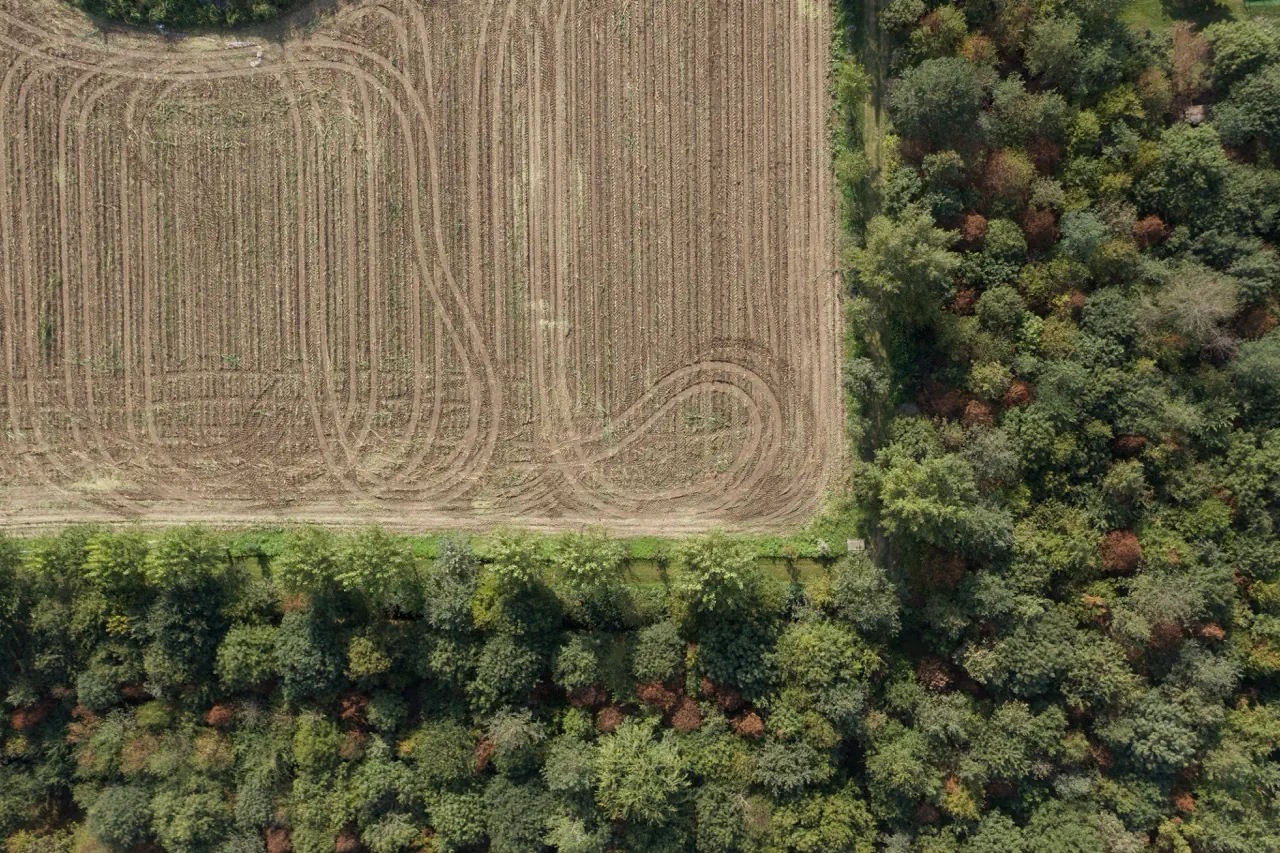
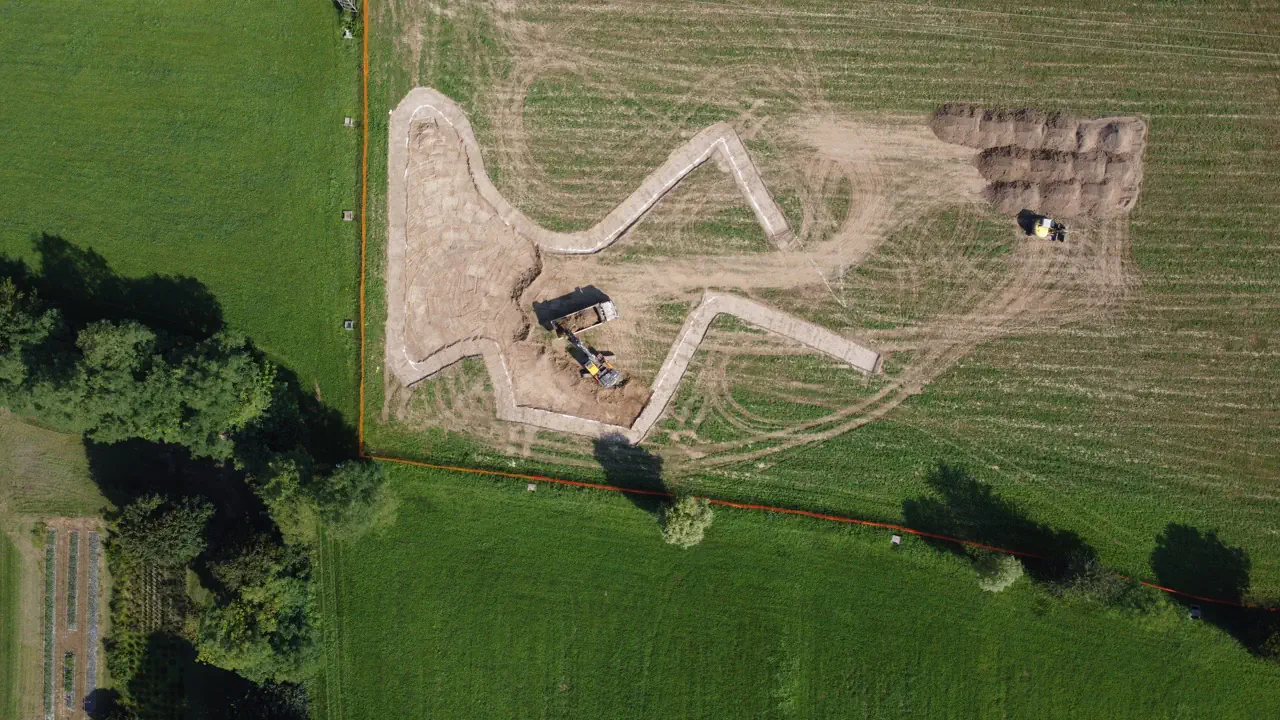
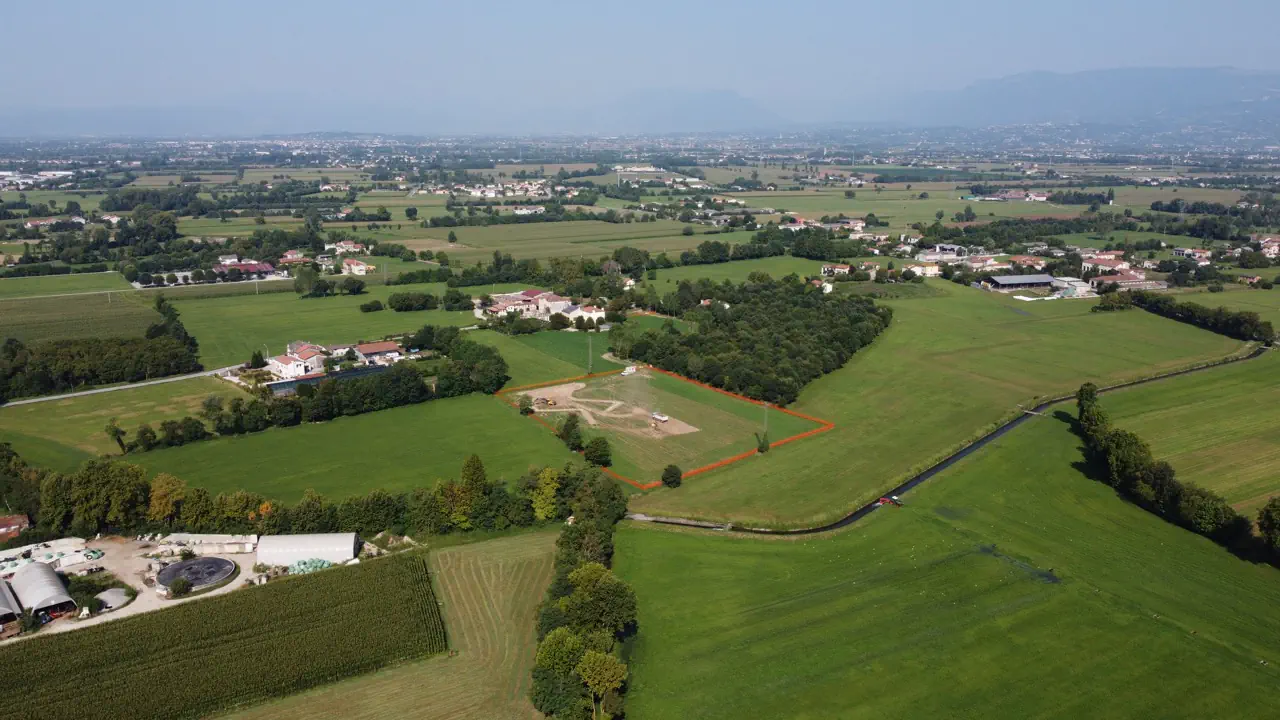
Ploughing, infiltration tests, mapping and excavation of the wetland area
The project
Sanpellegrino has launched an investment of over €1 million to implement an innovative recharge system for the Brenta aquifer. The initiative involves the construction of two artificial basins: the first, a wetland fed by a channel managed by the Brenta Reclamation Consortium, will serve as a natural pre-filtration basin thanks to the vegetation; the second, an infiltration basin with a gravel bottom, will allow water to percolate directly into the aquifer. During periods of water surplus, from October to May, the system will recharge around 758,000 cubic meters of water per year, securing valuable resources for the summer. The project is part of Sanpellegrino Group’s strategic plan, which promotes sustainable water management in collaboration with institutions and local communities. The interventions will take place in the area known as Bosco Limite, a multifunctional forest established in 2013 as a research and development experiment in the forestry sector.
Our contribution
Etifor is responsible for the environmental restoration of the area, through the planting of 7,900 herbaceous and forest species and the re-establishment of permanent meadows for regenerative agriculture. In particular, 1,400 new trees will be planted around the infiltration basin, while the wetland will be enriched with plant species capable of improving water quality. The intervention introduces 74 new tree and herbaceous species, fostering biodiversity, increasing CO₂ absorption, and creating a new green space accessible to the community.
These actions not only improve the local environment but also represent a concrete example of Water Stewardship: the project applies the international Alliance for Water Stewardship (AWS) standard and the scientific methods developed by the World Resources Institute, such as the Volumetric Water Benefit Accounting (VWBA), to measure and value the water benefits generated. The area will also be enhanced with educational trails and wildlife observation points, and citizens and schools will be able to take part in planting events via the WOWnature platform. Etifor and Sanpellegrino will also ensure the maintenance of the area in the coming years, safeguarding the long-term value of the interventions.
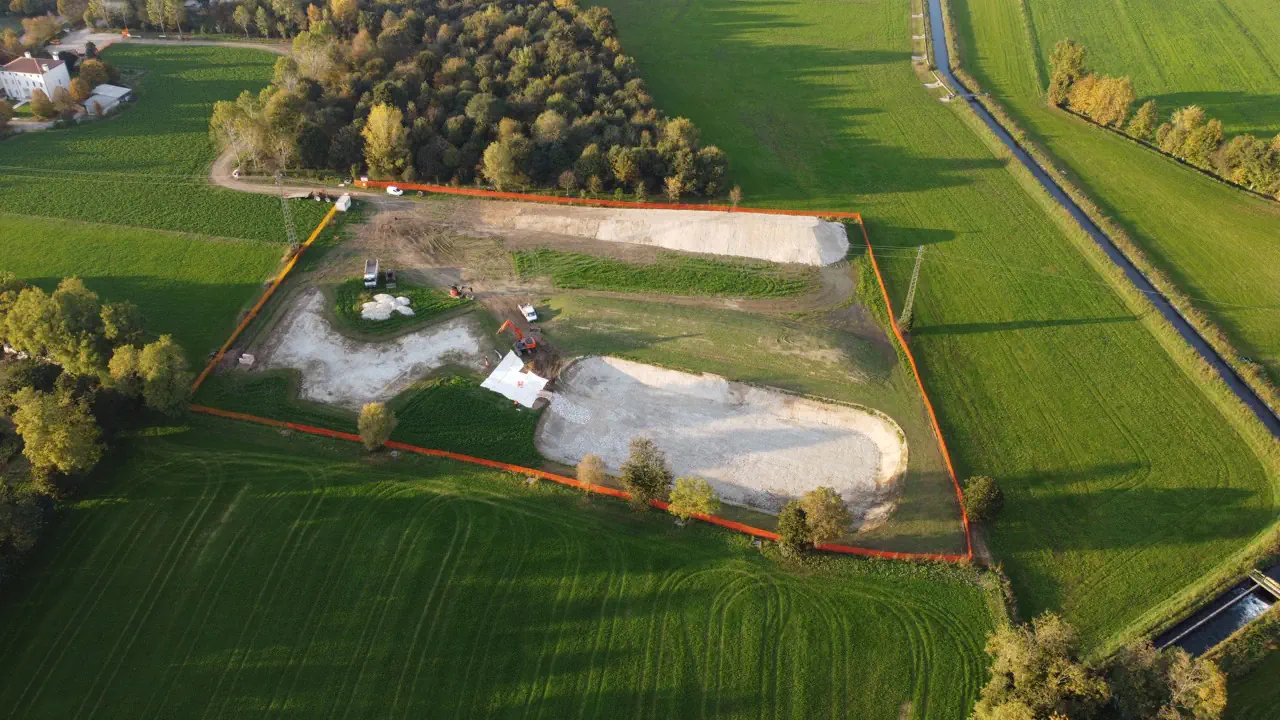
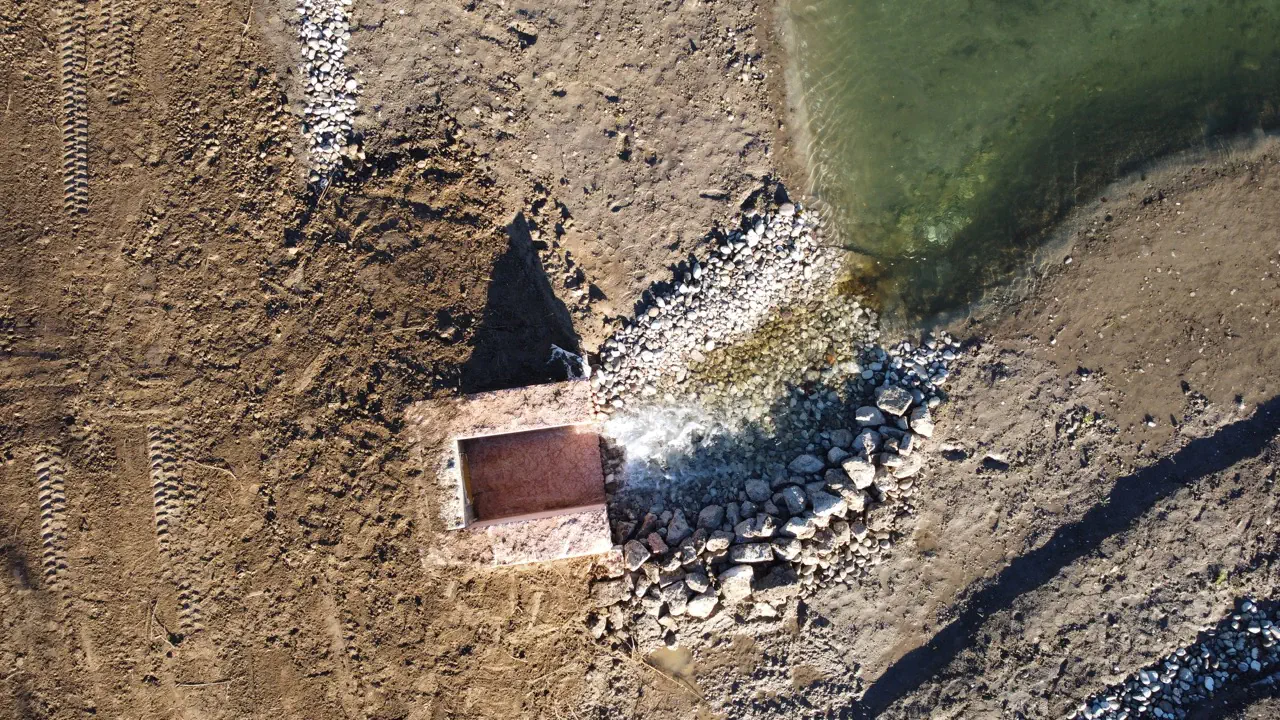
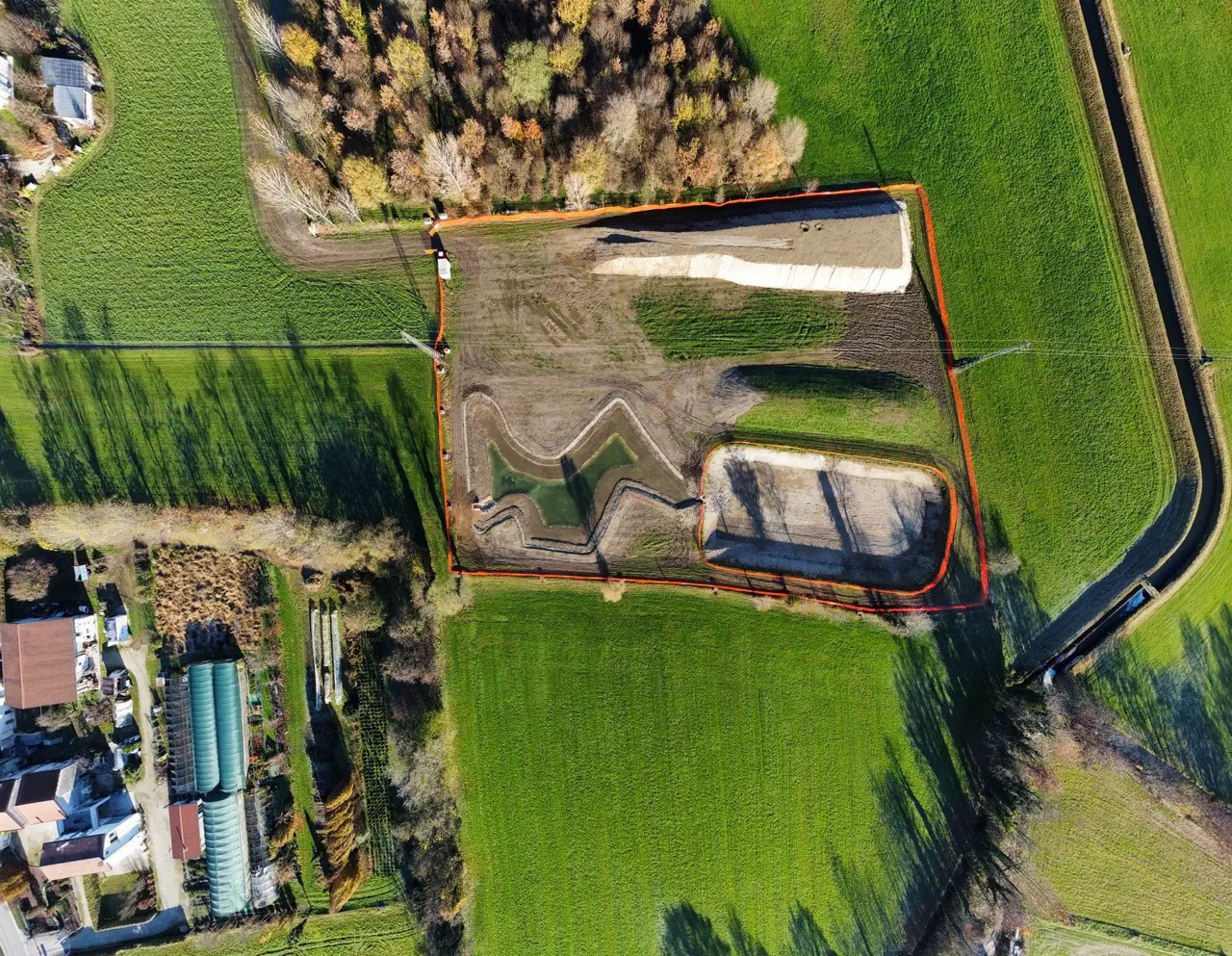
Excavation of the pond and testing of the wetland basin