
Responsible timber: Alpi’s journey towards deforestation-free supply chains
We support Alpi in its activities between Central Africa and Italy by strengthening legality and traceability
CLIENT

- Alpi Group
Context
With the introduction of the EUDR, Europe is setting new standards to ensure that products placed on the EU market are deforestation-free and fully traceable. The regulation’s impact varies considerably across sectors: commodities such as cocoa, soy, palm oil or livestock will face profound changes, while the timber sector will experience a more gradual transition thanks to the experience gained under the EUTR, in force since 2013.
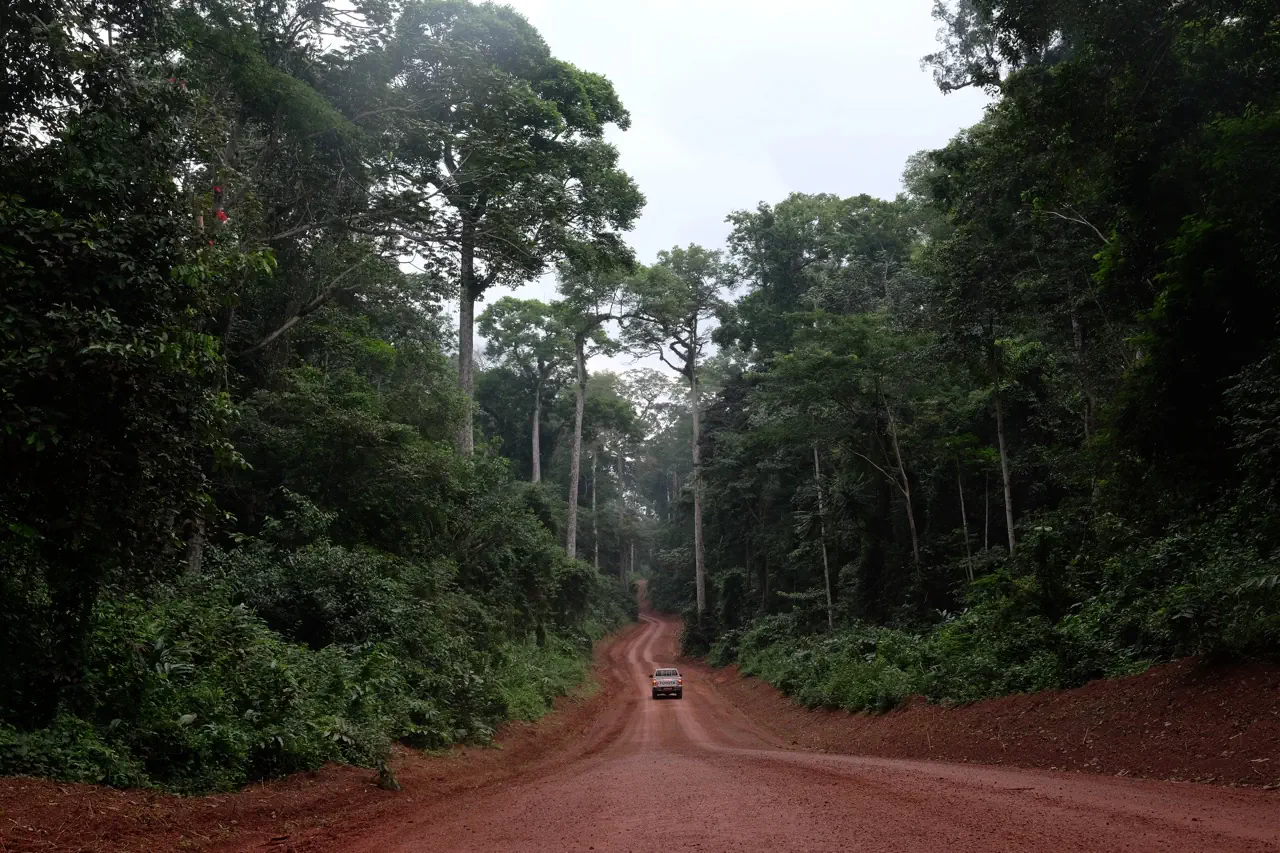
Alpi Group, a leading Italian company in the production of decorative wood surfaces, starts from an advanced position: it manages FSC®-certified forests and processing facilities, operates through an integrated model covering all stages — from managing forest concessions in Cameroon to processing in Italy and exporting products — and coordinates a broader supply chain that includes selected indirect sourcing from Central Africa. The EUDR therefore builds on an already robust system, but requires a significant strengthening of existing processes: traceability, geolocation, digitalisation, more detailed risk analyses and even tighter control across the entire supply chain.
The project
Etifor supports Alpi in adapting to EUDR requirements using EMMA, our modular approach designed to help companies transition towards zero-deforestation supply chains. The project covers the group’s full operational perimeter, both in Italy and in Cameroon, and starts from three key objectives: assessing the company’s level of preparedness, testing the three phases of EUDR due diligence on the ground, and building a coherent, effective and replicable risk-management system.
Through technical meetings, data collection, territorial analyses and document review, EMMA makes it possible to map supply-chain actors and reconstruct all flows from the forest to the point of export. The method also integrates deforestation and legality risk assessments in the countries of production — from Cameroon to other contexts in the Central African region — helping identify potential critical issues with accuracy. The results are consolidated into an operational roadmap that guides the upgrade of Alpi’s existing system towards full and verifiable compliance.
Our contribution
Etifor’s contribution is structured into three steps.
With Explore, we analyse in depth the organisational, technical and procedural infrastructure supporting Alpi’s due diligence system, assessing its readiness for EUDR requirements and identifying areas for improvement.
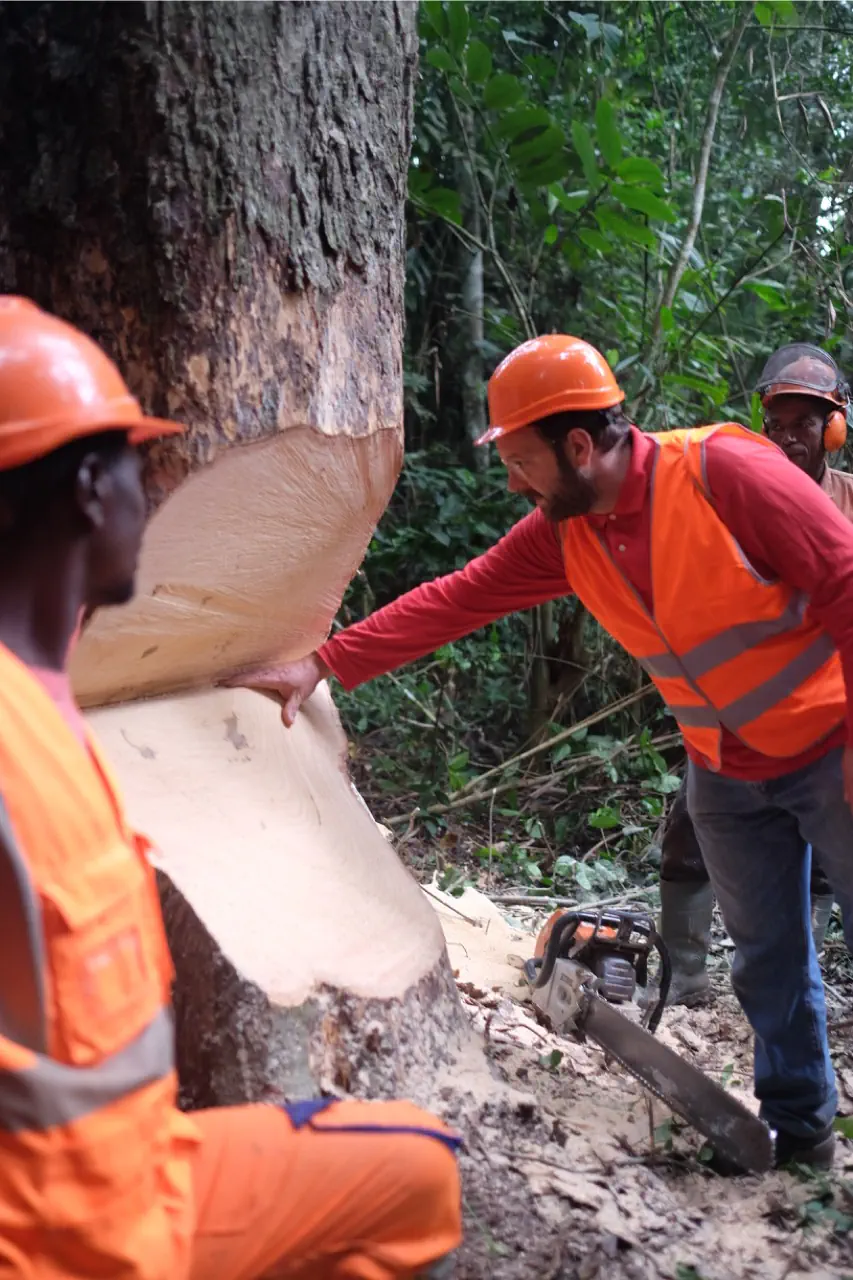
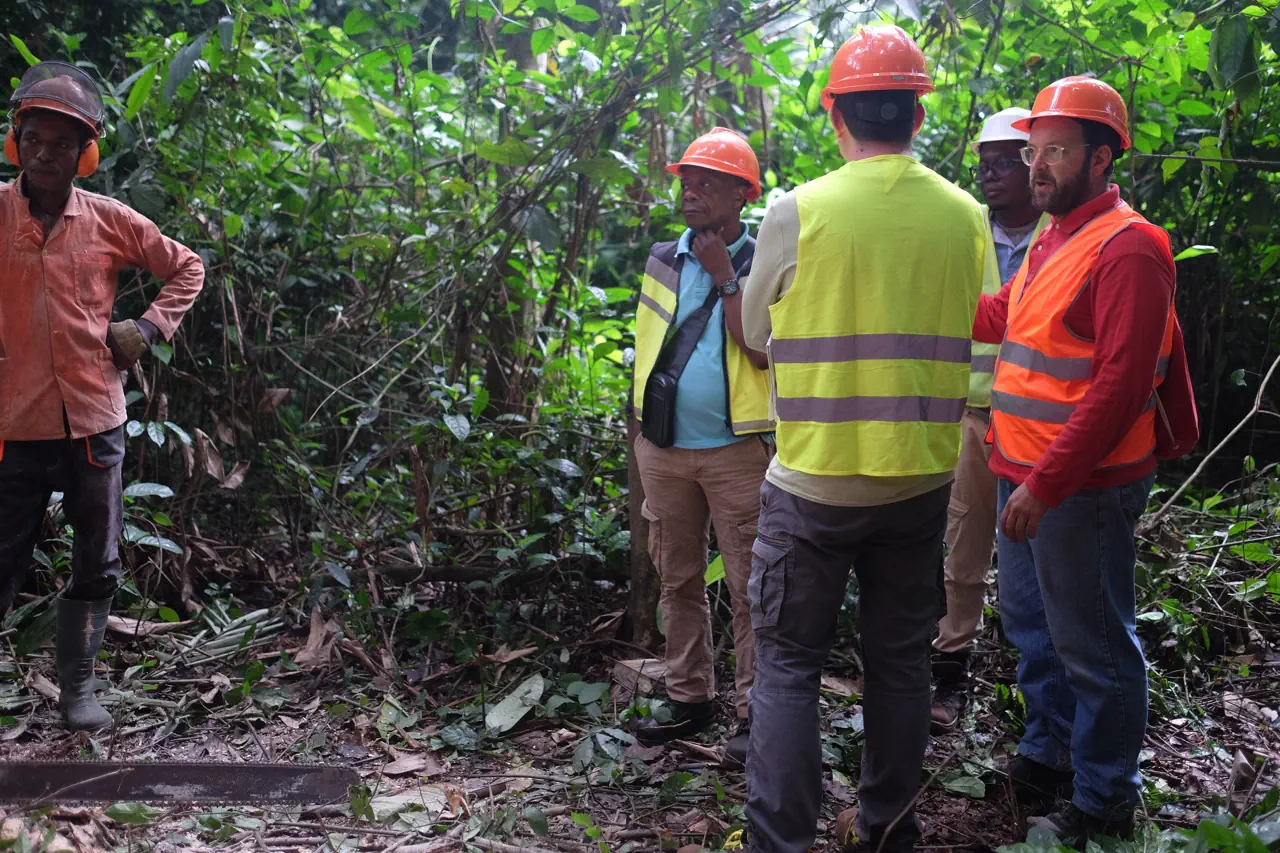
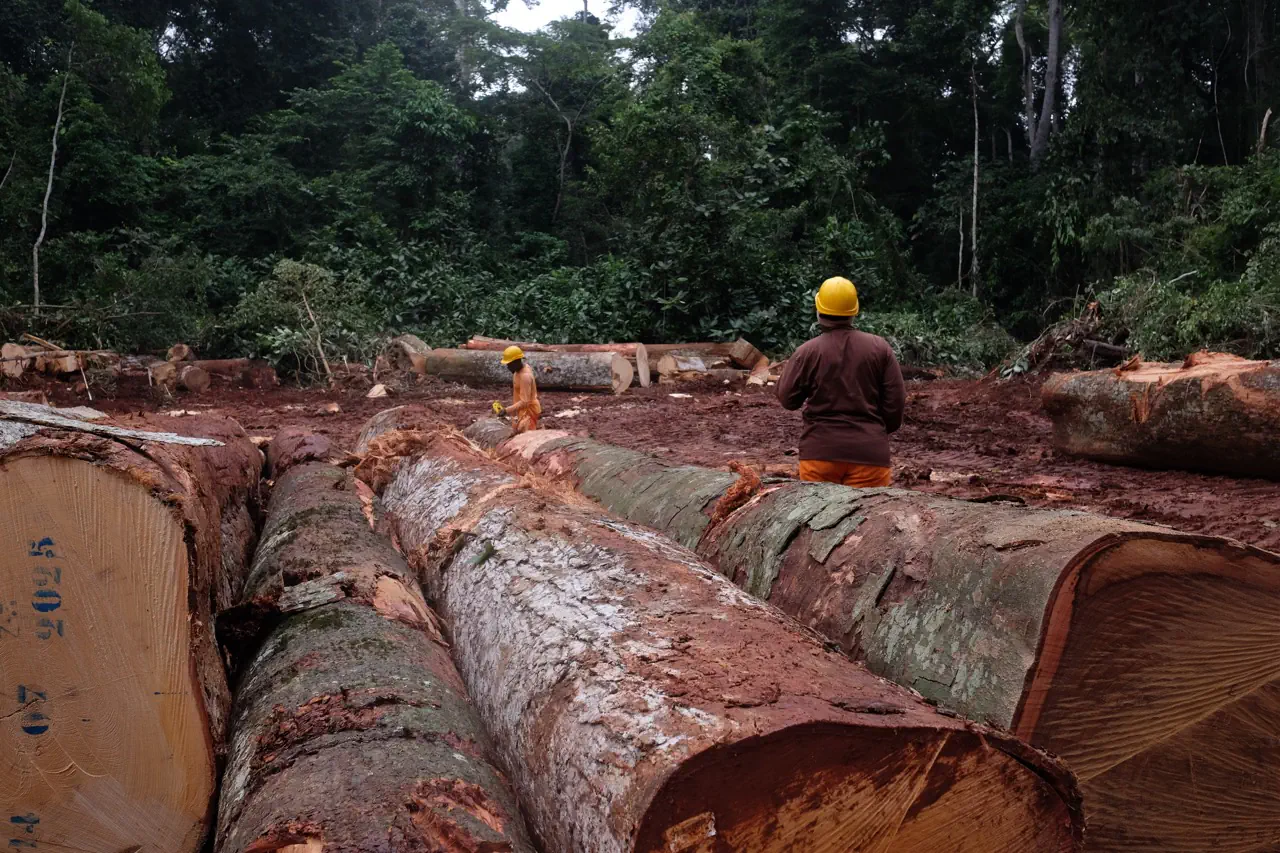
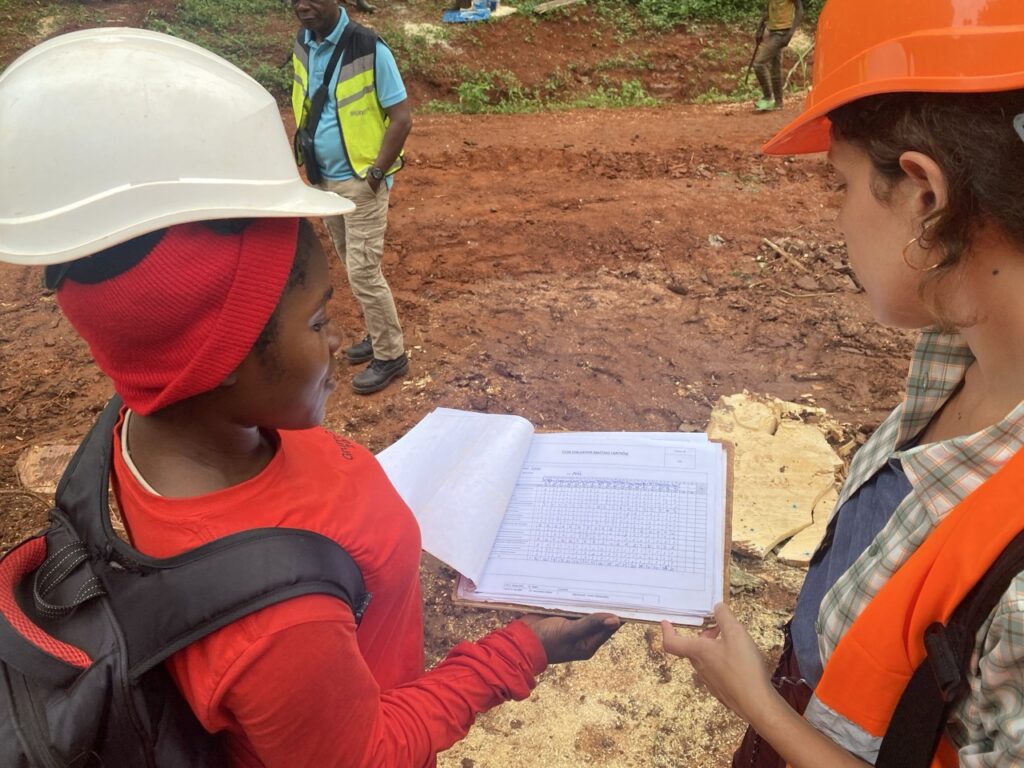
With Map, we conduct a comprehensive on-site audit in Cameroon, visiting forest areas and processing facilities to directly verify operational conditions. Through interviews, document checks and technical field inspections, we reconstruct the origin of materials and their path to export. This work allows us to assess, in a structured way, legality, traceability and the absence of deforestation along the entire supply chain.
Finally, with Mitigate, we strengthen Alpi’s due diligence system to ensure it is up to date and fully aligned with the EUDR: we refine policies, procedures and operational tools, update country-level risk profiles, and support the preparation of all necessary documentation — from legality dossiers to compliance assessments. In parallel, we assist Alpi in selecting the most effective digital solutions to centralise data, automate workflows and monitor risks in real time. The goal is to provide Alpi with a solid, scalable system capable of anticipating regulatory developments and evolving market expectations.