Updates

Cycle Tourism: why it is strategic for destinations and how to develop it effectively

  • 2025

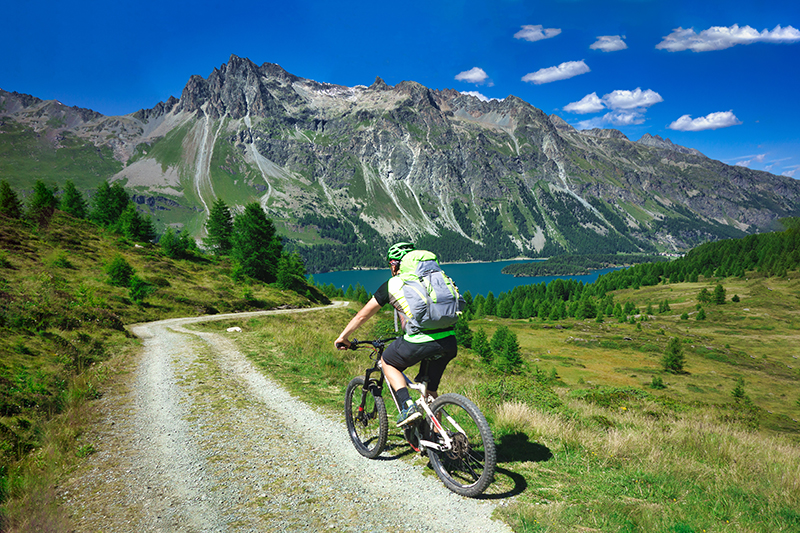
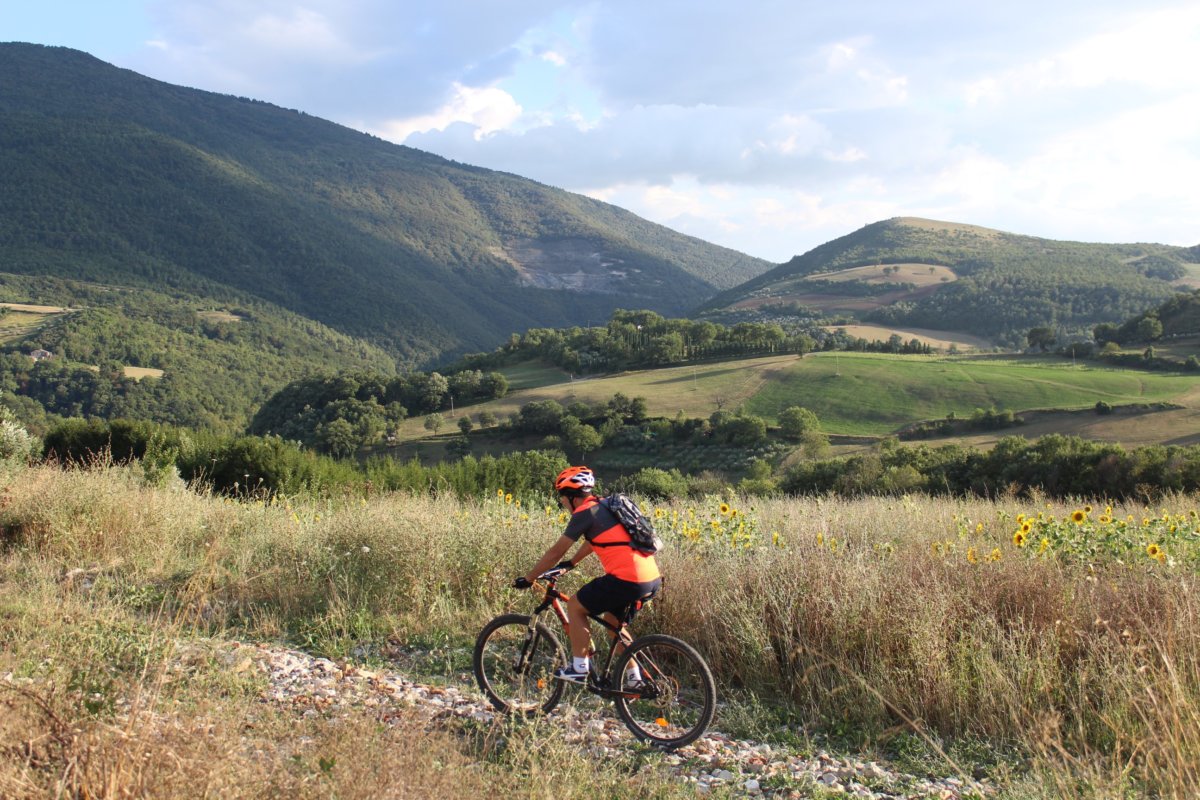
Cycle tourism can be a strategic lever for destinations aiming to attract visitors year-round, enhance landscapes and local communities, and promote an authentic slow tourism model. In this article, we explore what cycle tourism is, why it represents a concrete opportunity for territories and DMOs, and how Etifor supports public bodies in designing networks, routes, and strategies. We also present projects developed in the Veneto region, including Cycling in the Land of Venice, support for the development of the regional cycle tourism network, and the management plan for the Treviso-Ostiglia cycle route.

Read More

Designing cycle tourism: networks, services, and strategies for effective slow tourism

What is regenerative agriculture and why it is essential for the future of farming

  • 2025

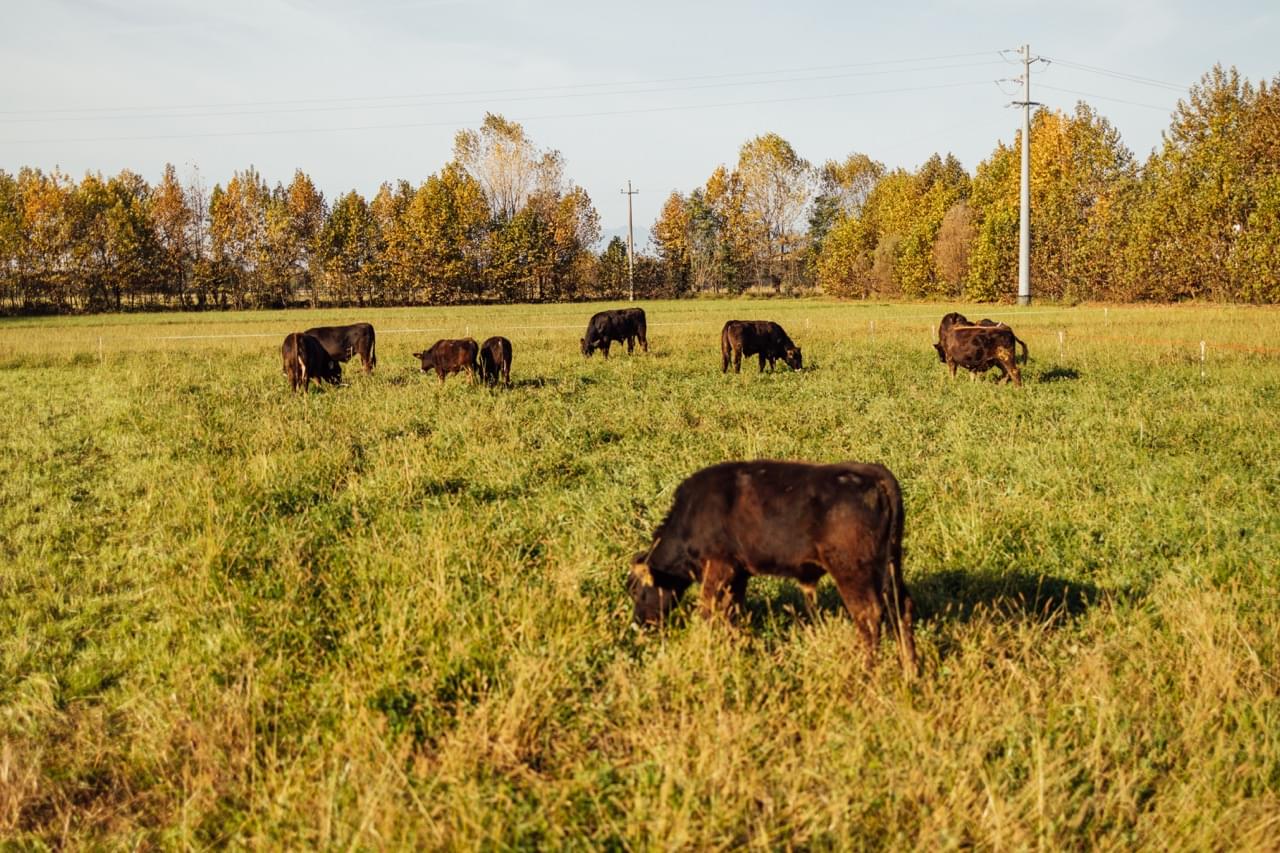
In recent years, some farms have begun to recognize the importance of changing their approach to agriculture — shifting from exploiting to regenerating the natural resources on which they depend. Today, regenerative agriculture is one of the most promising paths toward building a production model that safeguards soil, climate, and biodiversity.

Read More

From soil care to competitiveness: how regeneration can transform agriculture.

Launch of the National Guidelines for Regulating Italy’s Voluntary Market of Forest Carbon Credits

  • 4 November 25

With the approval of the interministerial decree adopting the Guidelines for the implementation of the National Public Registry of Voluntary Carbon Credits generated by the forestry sector, Italy takes a decisive step towards a credible and transparent voluntary carbon market. This milestone has also been achieved thanks to the LIFE ClimatePositive project, coordinated by Etifor.

Read More

With the approval of the interministerial decree adopting the Guidelines for the implementation of the National Public Registry of Voluntary Carbon Credits generated by the forestry sector, Italy takes a decisive step towards a credible and transparent voluntary carbon market. This milestone has also been achieved thanks to the LIFE ClimatePositive

Four Regenerative Ideas for Alpine Tourism

  • 26 September 2025

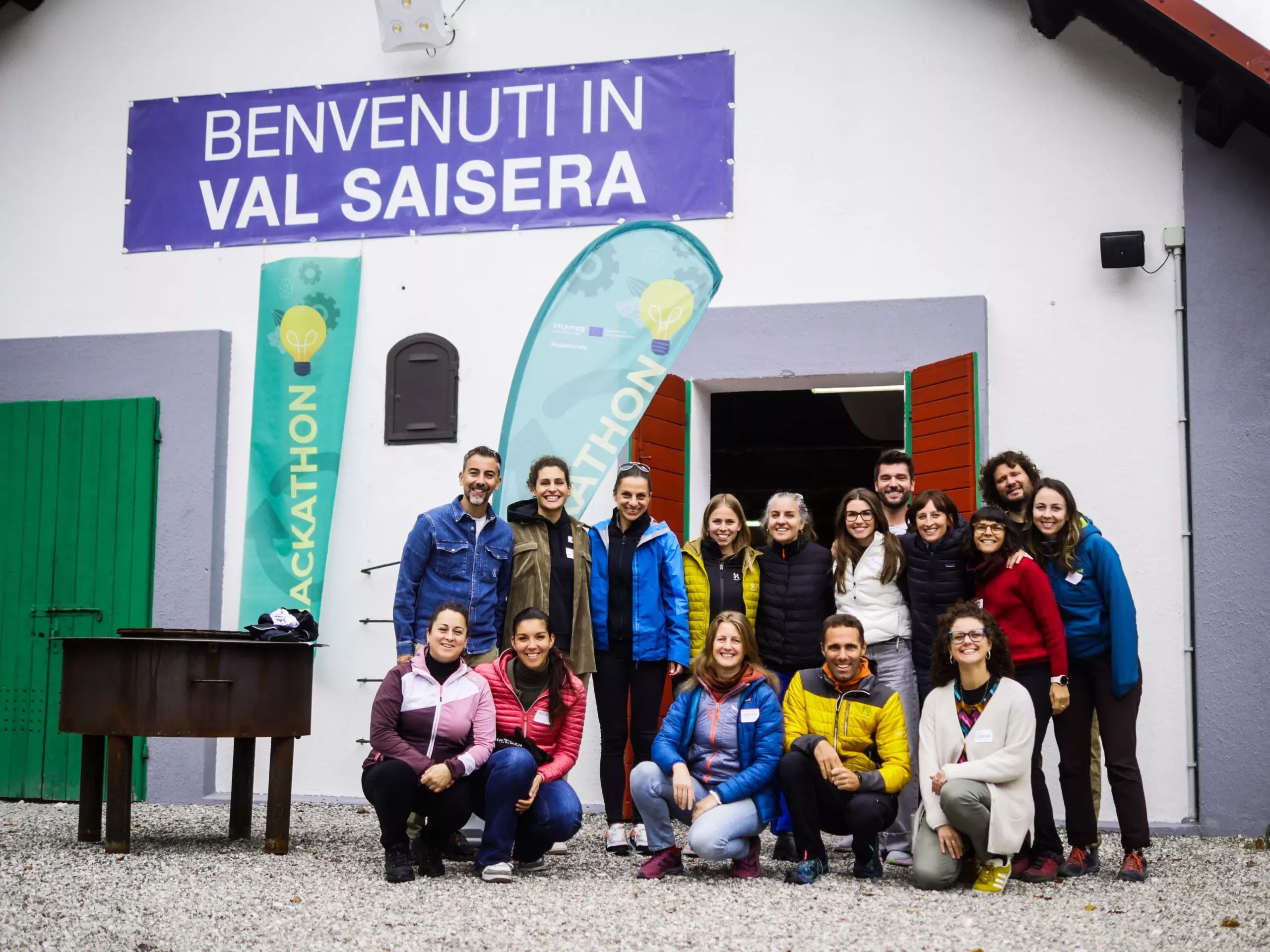
Two days of intense work, creativity, and collaboration marked the final REGENERATE Hackathon, held in Tarvisio and organized by the Tourism Promotion Consortium of Tarvisio together with partners NLW Tourismus Marketing GmbH, Alta Badia Tourism Cooperative, and Etifor | Valuing Nature.

Read More

REGENERATE Hackathon concluded: from ideas to reality by 2026

Sustainability projects: 5 concrete examples by Etifor

  • 2025

For companies and public administrations, environmental sustainability projects turn goals on biodiversity, climate, and community well-being into measurable and verifiable results. The key to success lies in a scientific approach, co-design with local stakeholders, and the ability to create shared value for the environment, the economy, and society.

Read More

Come trasformare obiettivi su biodiversità, clima e benessere delle comunità in risultati misurabili e verificabili.

Forest associations: the key to sustainable management of Italian woodlands

In Italy, over one-third of the territory is covered by forests, but many of them are now abandoned. Small, fragmented properties—often in remote areas and owned by elderly or untraceable proprietors—make effective forest management difficult. This leads to environmental, social, and economic consequences: forests become more vulnerable to the effects of the climate crisis, the risks of fires and hydrogeological instability increase, and the natural and productive heritage is gradually impoverished.

Read More

In Italy, over one-third of the territory is covered by forests, but many of them are now abandoned. Small, fragmented properties—often in remote areas and owned by elderly or untraceable proprietors—make effective forest management difficult. This leads to environmental, social, and economic consequences: forests become more vulnerable to the effects of the climate crisis,

Ecosystem Services and human wellbeing

  • 2025

Every day, we benefit from the services that nature provides: clean water, breathable air, fertile soils, landscapes that improve our well-being. But what happens when these services are degraded or disappear? Understanding how ecosystem services work is crucial for those involved in land management and seeking to protect natural capital effectively and sustainably. In this article, we explore the meaning of ecosystem services, their main categories, the benefits they provide, and the tools available to enhance their value, including from an economic perspective.

Read More

Definition, characteristics, and benefits

Science-Based Targets: what they are and why they matter for businesses

  • 2025

In recent years, an increasing number of companies have started setting climate targets aligned with science. These so-called science-based targets allow businesses to align their strategies with global climate scenarios, providing a clear and verifiable framework to reduce emissions. In this article, we explore what these targets are, how the SBTi (Science Based Targets Initiative) and SBTN (Science Based Targets Network) initiatives work, and what advantages they offer compared to other sustainability standards. A useful overview for those looking to start or strengthen their ecological transition journey.

Read More

Integrating climate and nature: towards systemic corporate strategies

Slow tourism: why it’s time to slow down and rethink tourism strategies

  • 2025

Slow tourism is a response to the saturation of fast, quantity-driven tourism that prioritizes ticking off places rather than truly experiencing them. It also addresses the need to create new models for valuing territories. More and more destinations are choosing to invest in soft mobility, local experiences, and longer stays to improve the quality of their offer, better distribute economic benefits, and promote more respectful ways for visitors to connect with places. In this article, we explore what slow tourism really means, why it’s gaining momentum, and how Etifor can support destinations in this transition.


Read More

Strategies, benefits and challenges for those embracing a new tourism model

Go to Top